The "No Spanking" Rule

In Singapore, you will be caned for being a john.
Also, I heard that Michael Fay was caned for vandalizing cars. I also heard the caner went easy with the strokes.

BTW: I've been requested by several women over the years to spank them. I always politely decline much to their disappointment.
 
I know but beating a kid hardly instils discipline.

I think the notion is metaphorical in his question. I could be wrong however.

Personally I'm against hitting anybody who doesn't pose a threat to me.

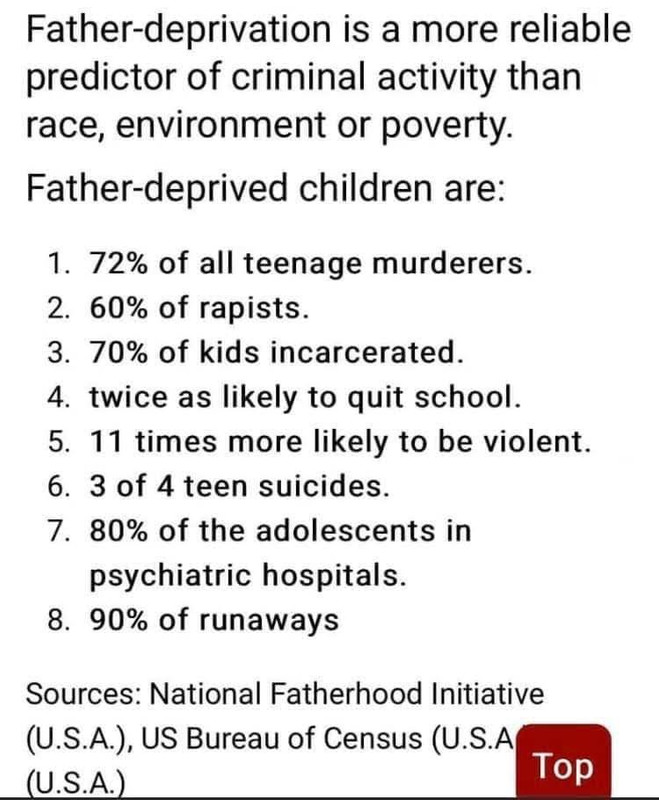
The thing with kids is that you have to get on them early. Establish trust and moral guidance. Which means you have to be present in their lives. The lack of presence is which leads to problems.
 
What's worse for the kid?

A couple of gentle slaps on the bum? Or, taking away their cellphone and credit card for a month?
 
What's worse for the kid?

A couple of gentle slaps on the bum? Or, taking away their cellphone and credit card for a month?

Spanking is worse. You want to teach them consequences of a bad decision. Not instill fear or coerce them into doing something.
 
Last edited:
I think alot of youth crime is an HR decision from the street gangs and organized crime. Adult does the crime and gets caught you lose him for years. Kiddie gangbanger does the crime you lose him for a few months. Why send a man to do a kids job.
 
I think alot of youth crime is an HR decision from the street gangs and organized crime. Adult does the crime and gets caught you lose him for years. Kiddie gangbanger does the crime you lose him for a few months. Why send a man to do a kids job.
Yes, apparently the people robbing pharmacies are youths hired by adults.
 
What's worse for the kid?

A couple of gentle slaps on the bum? Or, taking away their cellphone and credit card for a month?

If the kid is old enough to have a cell phone and credit card then the kid is probably 15+. In a situation like that, you should not spank the kid, not for the kid's sake but for your own sake as the kid could probably kick your ass.
 
What's worse for the kid?

A couple of gentle slaps on the bum? Or, taking away their cellphone and credit card for a month?
The age where slaps on the bum may be given SHOULD NOT overlap with when they have a cell phone or credit card. And most kids seem to have unfettered access to a cellphone way too early.
 
"“We can’t just take away spanking,” Dr. Palusci said. “We have to give parents something to replace it with.”"
 
I'm not a psychologist although I play one on TV but it does seem there are more crimes and many of the violent variety by kids than when I was a kid. What is causing this? I think the answer is wholly or partially due to a lack of discipline.

My roommate in university was from Singapore and we've kept in touch since. I've been his house guest several times at his home in Singapore.

"Crime rates in Singapore are some of the lowest in the world, with petty crimes such as pickpocketing and street theft rarely occurring, and violent crime being extremely rare."

How young are you?
Crime was higher in the 80s and 90s. I understand if you were a kid in the 2000s you might have a view that crime has gone up since then, though.
 
Is it possible that the apparent increase in youth crimes (robberies, assaults, attempted murders, actual murders, etc.) are due wholly or partially to the "no spanking" rule?


In 1979, Sweden became the first country to ban the corporal punishment of children. Earlier this year, Nepal became the 54th country to do so.


Now a new study looking at 400,000 youths from 88 countries around the world suggests such bans are making a difference in reducing youth violence. It marks the first systematic assessment of whether an association exists between a ban on corporal punishment and the frequency in which adolescents get into fights. And, says Frank Elgar, the study's lead author and an associate professor at the Institute for Health and Social Policy at McGill University in Montreal, "The association appears to be fairly robust." The study appeared in the online journal BMJ Open.

Of the countries included in the study, 30 have passed laws fully banning physical punishment of children, both in schools and in homes. The rates of fighting among adolescents were substantially lower than in the 20 countries with no bans in place: by 69 percent for adolescent males and 42 percent less for females.

The other 38 countries in the study — which include the United States, Canada, and the U.K. — have partial bans, in schools only. In those countries, adolescent females showed a 56 percent lower rate of physical fighting, with no change among males.


The data on fighting came from the World Health Organization's Health Behavior in School-aged Children study and Global School-based health survey. These long-standing surveys of teen behavior included a question about whether, and how often, the teens had been involved in a physical fight in the past 12 months.

The association held true even after accounting for such factors as the differences in the wealth of the countries and the nation's homicide rates, said Elgar. Even so, Elgar cautions, the study shows a correlation only, not a cause and effect.

"It could be that bans come into place in countries that have already generally accepted that spanking is not the best discipline method," he said, or there may be other cultural factors involved. "We haven't answered with certainty" the impact of the bans, he says, noting that more research is needed.

What research does show is the negative consequences of spanking. Physical discipline is not only ineffective, but it can also cause harm, says Elizabeth Gershoff, a professor of human development and family sciences at the University of Texas at Austin who has been studying the impact of physical punishment on children for 20 years.

In 2016, Gershoff and a colleague conducted a meta-analysis of 50 years of research on spanking, encompassing about 160,000 children.


"The findings were consistently negative," she said. Although spanking is traditionally supposed to teach a lesson to correct bad behavior, children who were spanked were neither more compliant nor better behaved.

Moreover, for both boys and girls, she said, "We found [spanking] linked to more aggression, more delinquent behavior, more mental health problems, worse relationships with parents, and putting the children at higher risk for physical abuse from their parents."

"People often ask: Why didn't you look for positive aspects?" she continued. "My answer is: We did, and there were none. We see consistently that the more children are spanked, the more behavioral problems they have in the years ahead."

UNICEF senior data specialist Claudia Cappa, believes the study provides additional support for the idea that "violence teaches violence."

"A child exposed to violence at home is very likely to use violence against peers in school" and in later life as well, she says. The reason is that when children are spanked or slapped, she says, "they think that is the only way to address conflicts, that there are no alternative means" to working out a disagreement besides fighting, and as they grow and develop, they can start to interact with their peers in the same way.

The prevalence of physical punishment — its most common form being spanking, also called slapping — was highlighted in the 2017 UNICEF study authored by Cappa, A Familiar Face: Violence in the Lives of Children and Adolescents. The report found that, globally, about 300 million children between the ages of 2 and 4 experienced physical punishment or verbal abuse from their parents of caregivers, and in some countries, children as young as 12 months old were subject to hitting.

Given the prevalence and the repercussions, a number of human rights groups, including the United Nations, have condemned the practice. In 2006, the United Nations Convention on the Rights of the Child, or UNCRC, spelled out "the right of the child to protection from corporal punishment and other cruel or degrading forms of punishment" and continues to recommend prohibition against corporal punishment of children.
 
Yes, of course social problems occur as a result of less violence. Let's physically assault children at a greater rate at an earlier age because there's a ton of evidence that being subjected to violence, especially from their parents, sets people up to be productive members of society. FFS

Between this, the Jordan Peterson shit, the "oh, all the poor white people" bullshit on here I'm starting to think Ontario sex work clients are nothing more than a bunch of insecure white misogynists.
I have come to that realization a long time ago. You left out egotistical and narcissistic.
 
  • Like
Reactions: xix
How young are you?
Crime was higher in the 80s and 90s. I understand if you were a kid in the 2000s you might have a view that crime has gone up since then, though.
I grew up in rural Quebec and attended McGill in Montreal. I am not aware of anybody being assaulted, stabbed and/or shot.

The worse was a fist fight and maybe a bloody nose. Robbery was nothing more than a bit of shoplifting. Nobody had any concerns about taking a bus or subway. I'm speaking about the lack of youth crimes.
 
Speaking of Sweden, isn't Sweden the rape capital of the Western world? What about other major crimes like assault, violent robbery, attempted murder, murder, etc?
 

In 1979, Sweden became the first country to ban the corporal punishment of children. Earlier this year, Nepal became the 54th country to do so.


Now a new study looking at 400,000 youths from 88 countries around the world suggests such bans are making a difference in reducing youth violence. It marks the first systematic assessment of whether an association exists between a ban on corporal punishment and the frequency in which adolescents get into fights. And, says Frank Elgar, the study's lead author and an associate professor at the Institute for Health and Social Policy at McGill University in Montreal, "The association appears to be fairly robust." The study appeared in the online journal BMJ Open.

Of the countries included in the study, 30 have passed laws fully banning physical punishment of children, both in schools and in homes. The rates of fighting among adolescents were substantially lower than in the 20 countries with no bans in place: by 69 percent for adolescent males and 42 percent less for females.

The other 38 countries in the study — which include the United States, Canada, and the U.K. — have partial bans, in schools only. In those countries, adolescent females showed a 56 percent lower rate of physical fighting, with no change among males.


The data on fighting came from the World Health Organization's Health Behavior in School-aged Children study and Global School-based health survey. These long-standing surveys of teen behavior included a question about whether, and how often, the teens had been involved in a physical fight in the past 12 months.

The association held true even after accounting for such factors as the differences in the wealth of the countries and the nation's homicide rates, said Elgar. Even so, Elgar cautions, the study shows a correlation only, not a cause and effect.

"It could be that bans come into place in countries that have already generally accepted that spanking is not the best discipline method," he said, or there may be other cultural factors involved. "We haven't answered with certainty" the impact of the bans, he says, noting that more research is needed.

What research does show is the negative consequences of spanking. Physical discipline is not only ineffective, but it can also cause harm, says Elizabeth Gershoff, a professor of human development and family sciences at the University of Texas at Austin who has been studying the impact of physical punishment on children for 20 years.

In 2016, Gershoff and a colleague conducted a meta-analysis of 50 years of research on spanking, encompassing about 160,000 children.


"The findings were consistently negative," she said. Although spanking is traditionally supposed to teach a lesson to correct bad behavior, children who were spanked were neither more compliant nor better behaved.

Moreover, for both boys and girls, she said, "We found [spanking] linked to more aggression, more delinquent behavior, more mental health problems, worse relationships with parents, and putting the children at higher risk for physical abuse from their parents."

"People often ask: Why didn't you look for positive aspects?" she continued. "My answer is: We did, and there were none. We see consistently that the more children are spanked, the more behavioral problems they have in the years ahead."

UNICEF senior data specialist Claudia Cappa, believes the study provides additional support for the idea that "violence teaches violence."

"A child exposed to violence at home is very likely to use violence against peers in school" and in later life as well, she says. The reason is that when children are spanked or slapped, she says, "they think that is the only way to address conflicts, that there are no alternative means" to working out a disagreement besides fighting, and as they grow and develop, they can start to interact with their peers in the same way.

The prevalence of physical punishment — its most common form being spanking, also called slapping — was highlighted in the 2017 UNICEF study authored by Cappa, A Familiar Face: Violence in the Lives of Children and Adolescents. The report found that, globally, about 300 million children between the ages of 2 and 4 experienced physical punishment or verbal abuse from their parents of caregivers, and in some countries, children as young as 12 months old were subject to hitting.

Given the prevalence and the repercussions, a number of human rights groups, including the United Nations, have condemned the practice. In 2006, the United Nations Convention on the Rights of the Child, or UNCRC, spelled out "the right of the child to protection from corporal punishment and other cruel or degrading forms of punishment" and continues to recommend prohibition against corporal punishment of children.
Thanks for providing the data. Now we get about 76 posts saying "well, it never hurt me" or "my kids grew up normal after I hit them". Or we hear from the conspiracy theorists who negate anything that comes from a global organization. Or we just hear from the abusers.
 
I grew up in rural Quebec and attended McGill in Montreal. I am not aware of anybody being assaulted, stabbed and/or shot.

The worse was a fist fight and maybe a bloody nose. Robbery was nothing more than a bit of shoplifting. Nobody had any concerns about taking a bus or subway. I'm speaking about the lack of youth crimes.

So you missed the biker war in Montreal when you were here?

I suppose Stats Can has historical violent crime rates, we could try and look them up.