Ford passed the legislation for ripping up the bike lanes TODAY!!

There are no secondary east west routes downtown.
North - south there are some options but they aren't great.

If you want more driving space argue to kill parking on Bloor.

It's not all about a straight shot going in any direction. It's all about more prudent use of what you have, weighing the impacts of traffic, which is always growing. You used to be able to get around Toronto in the 80s quite easily, but with no growth in your road network and then the taking away of the lanes that helped move traffic, then you cause yourself a lot of problems. Cyclists say that drivers have to suck it up, with regards to the bike lanes, or don't drive, if you don't like the congestion. They should suck it up and take a more circuitous routes on secondary roads.

I've seen traffic move better in Europe's old cities and they have lots of cars using the road network and tons of scooters.
 
What date was it?

What time of day was it?

What street was it?

Which direction was it?

Huh?

What does that matter?

But, if you really need to know, it was a Tuesday night ballgame, and it was Adelaide to the DVP. To top it off, with no warning about DVP closures, that was just closed too. Traffic crawled across Adelaide, which used to be a solid route to the DVP.

I've also taken many of the other streets that have bike lanes, during the night and day. While there's always been congestion in this city, it's worse now, with the bike lanes and added traffic.
 
It's not all about a straight shot going in any direction. It's all about more prudent use of what you have, weighing the impacts of traffic, which is always growing. You used to be able to get around Toronto in the 80s quite easily, but with no growth in your road network and then the taking away of the lanes that helped move traffic, then you cause yourself a lot of problems. Cyclists say that drivers have to suck it up, with regards to the bike lanes, or don't drive, if you don't like the congestion. They should suck it up and take a more circuitous routes on secondary roads.

I've seen traffic move better in Europe's old cities and they have lots of cars using the road network and tons of scooters.

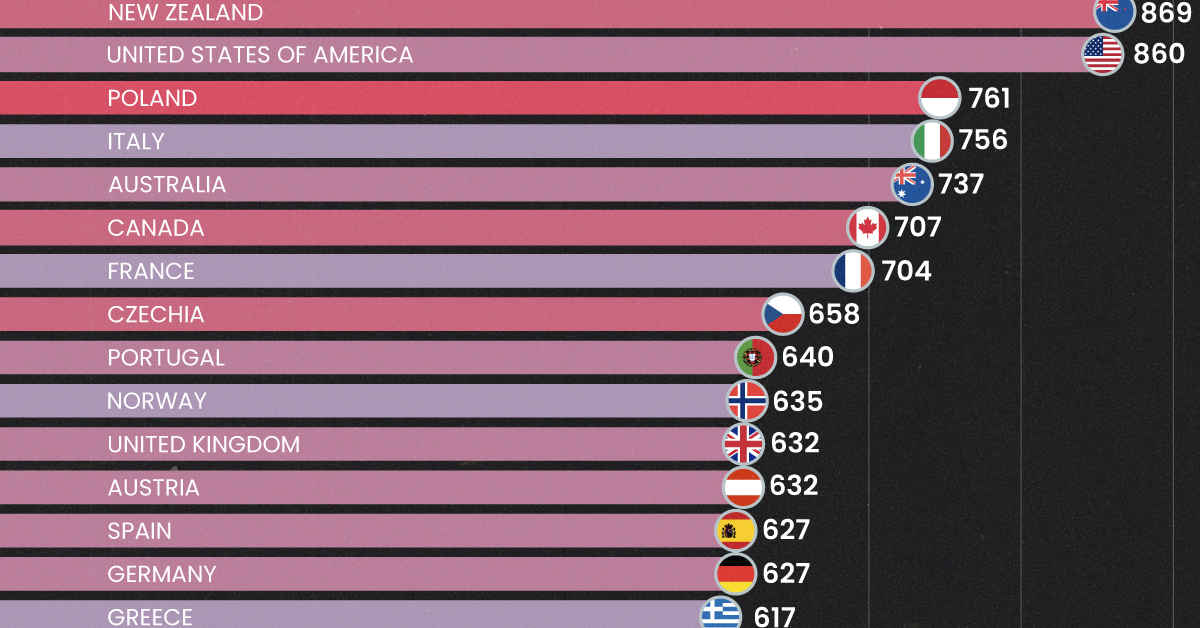
European cities have fewer cars per capita and more transit. They also generally have more bike lanes.

Bikes take up way less space on the road per person, same with buses.
Cars and parked cars take up more than their share.

You want more space on roads make people drive smaller cars and ban parking on roads like Yonge and Bloor.


You missed the point.

European cities are much older, with historical buildings, fountains and such, and are built upon ancient cities from before their time. I see lots of vehicles, taxis and private vehicles and many tourist buses and just as many scooters as both of those. They have more subways, built through this labyrinth of history, and have a better use of their roads than Toronto, a supposedly "world class city" with a joke of a transit system. Their bike lanes work quite well, as does their road system working well too. Do they have some gridlock? Absolutely, just like any city, but these old cities aren't in perpetual gridlock like Toronto is. I recall getting off the DVP, about a year ago, and it took a little over an hour, to go from Richmond and Parliament, to the Harbour Castle at mid afternoon. Thankfully they have the bike lanes down there, for the handful of bikes to flow freely through the gridlock, while everyone else sat there and fumed. If memory serves me correctly, it took about 30 minutes to get through the lights at Jarvis and Richmond. I guess it's my fault though, for coming into the city without my bike to get around.
This has been the topic of numerous threads and has been explained to the bikies several times already. They ignore it.

Annie then posts photos of the DVP and 401 gridlocked and tells us that bike lanes would solve those problems.

The city is only now building RT lines to Don Mills, an "LA style subdivision" that was built for car access 60+ years ago. Toronto transit is a joke. You need a car to get in and out of downtown in this city.
 
You missed the point.

European cities are much older, with historical buildings, fountains and such, and are built upon ancient cities from before their time. I see lots of vehicles, taxis and private vehicles and many tourist buses and just as many scooters as both of those. They have more subways, built through this labyrinth of history, and have a better use of their roads than Toronto, a supposedly "world class city" with a joke of a transit system. Their bike lanes work quite well, as does their road system working well too. Do they have some gridlock? Absolutely, just like any city, but these old cities aren't in perpetual gridlock like Toronto is. I recall getting off the DVP, about a year ago, and it took a little over an hour, to go from Richmond and Parliament, to the Harbour Castle at mid afternoon. Thankfully they have the bike lanes down there, for the handful of bikes to flow freely through the gridlock, while everyone else sat there and fumed. If memory serves me correctly, it took about 30 minutes to get through the lights at Jarvis and Richmond. I guess it's my fault though, for coming into the city without my bike to get around.

How many of those cities have congestion charges?
You want more space for cars downtown over pedestrian and biking use, make it more expensive for drivers to drive downtown like they do in the European cities you think work.

 
This has been the topic of numerous threads and has been explained to the bikies several times already. They ignore it.

Annie then posts photos of the DVP and 401 gridlocked and tells us that bike lanes would solve those problems.

The city is only now building RT lines to Don Mills, an "LA style subdivision" that was built for car access 60+ years ago. Toronto transit is a joke. You need a car to get in and out of downtown in this city.


Exactly!

The cities planners don't plan for the future, but rather react to what's happening now. Great cities make it work, with a good combination of it all, with things like bike lanes and TTC surface routes, not impacting the rest, as a whole. Past expressways have been stopped in their tracks, and there is now way to resurrect them now. They need better planning, to utilize what they have now and make it all work.

Transit is another joke, with only two subway lines and the poorer parts of the city saddled with TTC surface routes, making busy roads, even worse. St Clair used to be so nice, with the street cars, on street parking and multi lanes for cars. Cars could drive anywhere on St Clair, even on the tracks and traffic moved decently. Then they raised the tracks, which made that strictly for street car use only and the on street parking disappeared. What a fucking joke!
 
How many of those cities have congestion charges?
You want more space for cars downtown over pedestrian and biking use, make it more expensive for drivers to drive downtown like they do in the European cities you think work.


Toronto has talked about levies on cars entering the city in the past. They bring this up like it's the answer to all their woes, when it's just a taxation for them to collect, without benefit to the realities of the gridlock that they help perpetuate, with things like bike lanes.
 
Toronto has talked about levies on cars entering the city in the past. They bring this up like it's the answer to all their woes, when it's just a taxation for them to collect, without benefit to the realities of the gridlock that they help perpetuate, with things like bike lanes.
They believe that they can ban cars and that people will bicycle from Little Portugal or Cabbagetown to and from jobs in Brampton and Whitby..... They are dummies.
 
  • Like
Reactions: roddermac
Toronto has talked about levies on cars entering the city in the past. They bring this up like it's the answer to all their woes, when it's just a taxation for them to collect, without benefit to the realities of the gridlock that they help perpetuate, with things like bike lanes.

Except that it would work but it would piss off DoFo's suburban base.
Ford won't allow it for that reason but its the solution.

Killing bike lanes will slow the city down, neither Yonge or Bloor have been 2 lanes of traffic for a long time. You just get pockets of two lanes then bottle necks repeatedly.
Its not a solution.

Mandrill has this fantasy that he thinks everyone downtown works in Milton, a single day's drive during rush hour on the highways would clear that misconception up.
The congestion is people outside the city driving into the city, not his single neighbour who works in Whitby.