

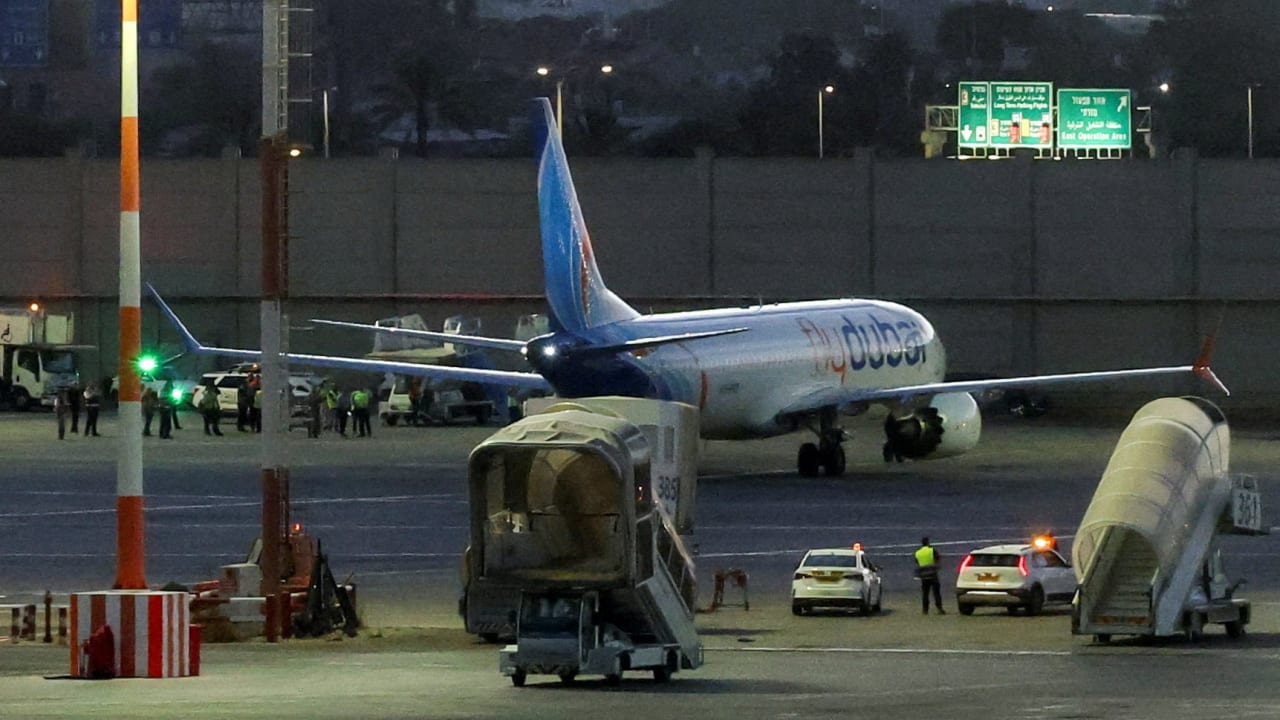
Flight 1073 was in a boeing 737 max 8. Cruising speed is 530 knots and ABC reported the plane was going 600 mph in it's dive which is barely beyond the vne and just above the regular crusing speed. The design maneuvering speed whereby you can fully deflect any input control to the stop is considered high turbulence speed is 290 knots. The things that don't make sense is how these people withing 30 seconds went into a steep dive, the pilot opened the door, they assessed the situation and subdued the pilot, a plumber took control of the airplane with no flying experience and pulled it out of a 28000 from dive from what he seen on TV, the rudder was basically ripped off but the elevators still perfectly in tact. Someone pressed the rudder with excessive force. The airplane shouldt have become very unstable at that point and likely would have resulted in a high speed spin or roll. I find the chances of a plumber who has never flown an airplane pulling the plane out of a 38.5 degree 28000 dive without an accelerated high speed dive so close to 0 it's negligable. There is some bad reporting going on here. Someone hit the rudder hard at high speed.
You are using an out of date browser. It may not display this or other websites correctly.
You should upgrade or use an alternative browser.
You should upgrade or use an alternative browser.


Some things don't add up on flight 1073
- Thread starter geezerbuter
- Start date

More important headlines on fox :She entered the strip club chasing money and left five years later chasing God

Looks like the descent didn't even spill a cup of water

1: It actively did start to fall apart.
2: Operational envelopes, especially for passenger jets, are WAY inside the actual physical limits of the airframe. Just because the mins and max's are listed at XXX miles an hour does not mean that the plane will fail at XXX+1. IT means that the plane will NEVER fail at XXX miles per hour, even as components weaken over it's lifetime.
You are totally wrong. The rudder would have been in a neutral position the only way to cause rudder damage going slightly above crusing speed would be to have extreme rudder manipulation. The elevators would have collapsed as they were supposedly used to break the diveView attachment 657296
1: It actively did start to fall apart.
2: Operational envelopes, especially for passenger jets, are WAY inside the actual physical limits of the airframe. Just because the mins and max's are listed at XXX miles an hour does not mean that the plane will fail at XXX+1. IT means that the plane will NEVER fail at XXX miles per hour, even as components weaken over it's lifetime.
Your wrong. The g forces initially would have been -1.5 which would have caused some floating then quickly settled down to 1g. It would have been the pullout which caused damage but the elevator controls the vertical axis not the rudderLooks like the descent didn't even spill a cup of water
Your wrong. The g forces initially would have been -1.5 which would have caused some floating then quickly settled down to 1g. It would have been the pullout which caused damage but the elevator controls the vertical axis not the rudder
Yes, but the drop would have given a moment of zero gravity and the recovery would mean there should be crap everywhere, laptops, ipads, bags....
You are totally wrong. The rudder would have been in a neutral position the only way to cause rudder damage going slightly above crusing speed would be to have extreme rudder manipulation. The elevators would have collapsed as they were supposedly used to break the dive
...And extreme rudder manipulation may be a consequence of a fight over controls, or an inexperienced pilot grabbing the yoke, or just aerodynamic instability due to the overspeed.
-1.5 G isn't going to hurt a plane. A plane's wings can clearly tolerate more than +1g, or they wouldn't be able to climb in level flight. F=MA, all that practically matters is how long it took them to go from falling to not-falling.
Again, not a 737max expert, but I did take a university course on plane design, and I have built an airplane hangar, so I know some stuff. The limiting factor on vertical acceleration is the strength of the wings. Just by shape, a wing is much stronger front-to-back than it is top to bottom, so loads due to "forward speed" are much more easily dealt with compared to loads due to lift.
Going from [- something] vertical speed to [0] vertical speed means there needs to be an upward force on the wings. Too much upward force, and the wings collapse. As long as the rate of change of speed (acceleration, A), wasn't greater than (Fmax/M), initial and final speed don't practically matter.
Lol the rudder has nothing to do with the yoke...And extreme rudder manipulation may be a consequence of a fight over controls, or an inexperienced pilot grabbing the yoke, or just aerodynamic instability due to the overspeed.
-1.5 G isn't going to hurt a plane. A plane's wings can clearly tolerate more than +1g, or they wouldn't be able to climb in level flight. F=MA, all that practically matters is how long it took them to go from falling to not-falling.
Again, not a 737max expert, but I did take a university course on plane design, and I have built an airplane hangar, so I know some stuff. The limiting factor on vertical acceleration is the strength of the wings. Just by shape, a wing is much stronger front-to-back than it is top to bottom, so loads due to "forward speed" are much more easily dealt with compared to loads due to lift.
Going from [- something] vertical speed to [0] vertical speed means there needs to be an upward force on the wings. Too much upward force, and the wings collapse. As long as the rate of change of speed (acceleration, A), wasn't greater than (Fmax/M), initial and final speed don't practically matter.
As for your g factor theory most airplanes are designed to take less than half negative gs then positive. Part of this is because we start at 1g so -1 is 2gs reallym the other factor is that airplanes are not designed for inverted manoeuvres. I have flown in several high performance airplanes and have done 6 positive and 3 negative gs. The negative 3 was far more intense...And extreme rudder manipulation may be a consequence of a fight over controls, or an inexperienced pilot grabbing the yoke, or just aerodynamic instability due to the overspeed.
-1.5 G isn't going to hurt a plane. A plane's wings can clearly tolerate more than +1g, or they wouldn't be able to climb in level flight. F=MA, all that practically matters is how long it took them to go from falling to not-falling.
Again, not a 737max expert, but I did take a university course on plane design, and I have built an airplane hangar, so I know some stuff. The limiting factor on vertical acceleration is the strength of the wings. Just by shape, a wing is much stronger front-to-back than it is top to bottom, so loads due to "forward speed" are much more easily dealt with compared to loads due to lift.
Going from [- something] vertical speed to [0] vertical speed means there needs to be an upward force on the wings. Too much upward force, and the wings collapse. As long as the rate of change of speed (acceleration, A), wasn't greater than (Fmax/M), initial and final speed don't practically matter.
Lol the rudder has nothing to do with the yoke
So then it's more likely that it was aerodynamic instability, or vortex shedding, or localized mach bubbles, since they were at 0.96G.
Flydubai plane damage resulted from extreme speeds, angles, G-force loads | The Jerusalem Post
“I’m not sure it can ever be used again,” said Embry-Riddle Aeronautical University aerodynamicist Tony Farina, who has worked with the US Air Force and NASA on aviation-related projects.
 www.jpost.com
You're also confusing reference frames in your inferences. A plane in a steep dive isn't experiencing a lot of load "up" or "down" on the wings. The high angle of attack would mean the wings have stalled. The load would be fore-aft as far as the wing is concerned. In the turn from dive to level, the loading on the wing would go up, but again, a managed turn would keep the loads below ultimate limits.
Second, your inference about g loading is wrong. Planes can easily experience -1 or -1.5g in severe turbulence, cyclically (i.e., many times over their service life). And that would be perfectly perpendicular to the wings. What you're describing [planes can't handle negative g's] is that if a plane hit a pocket of turbulance, the wings would actually fold under it. Flydubai did not go inverted.
And again, take a step back... The flight logs exist. The plane did what it did, and survived how it survived. Are you suggesting that the plane was specially reinforced just for this stunt?
...And extreme rudder manipulation may be a consequence of a fight over controls, or an inexperienced pilot grabbing the yoke, or just aerodynamic instability due to the overspeed.
-1.5 G isn't going to hurt a plane. A plane's wings can clearly tolerate more than +1g, or they wouldn't be able to climb in level flight. F=MA, all that practically matters is how long it took them to go from falling to not-falling.
Again, not a 737max expert, but I did take a university course on plane design, and I have built an airplane hangar, so I know some stuff. The limiting factor on vertical acceleration is the strength of the wings. Just by shape, a wing is much stronger front-to-back than it is top to bottom, so loads due to "forward speed" are much more easily dealt with compared to loads due to lift.
Going from [- something] vertical speed to [0] vertical speed means there needs to be an upward force on the wings. Too much upward force, and the wings collapse. As long as the rate of change of speed (acceleration, A), wasn't greater than (Fmax/M), initial and final speed don't practically matter.
14,000 feet in 30 seconds?
What ? The angle of attack is low in a dive. The wings get loaded upon pullout. You don't need a high angle of attack to stall the wings just too abrupt change if angle of attack in too short or time span. You people are hilarious all YouTube pilots now lol. I have stalled airplanes at high speeds I have done inverted.spins stalls tumbles and just about everything imaginable in an airplane. I never said 1.5 g will break an airplane but aerobatic airplanes are usually rated for plus 6 and only negative 3 gsSo then it's more likely that it was aerodynamic instability, or vortex shedding, or localized mach bubbles, since they were at 0.96G.
Flydubai plane damage resulted from extreme speeds, angles, G-force loads | The Jerusalem Post
“I’m not sure it can ever be used again,” said Embry-Riddle Aeronautical University aerodynamicist Tony Farina, who has worked with the US Air Force and NASA on aviation-related projects.
You're also confusing reference frames in your inferences. A plane in a steep dive isn't experiencing a lot of load "up" or "down" on the wings. The high angle of attack would mean the wings have stalled. The load would be fore-aft as far as the wing is concerned. In the turn from dive to level, the loading on the wing would go up, but again, a managed turn would keep the loads below ultimate limits.
Second, your inference about g loading is wrong. Planes can easily experience -1 or -1.5g in severe turbulence, cyclically (i.e., many times over their service life). And that would be perfectly perpendicular to the wings. What you're describing [planes can't handle negative g's] is that if a plane hit a pocket of turbulance, the wings would actually fold under it. Flydubai did not go inverted.
And again, take a step back... The flight logs exist. The plane did what it did, and survived how it survived. Are you suggesting that the plane was specially reinforced just for this stunt?
Basic aerodynamics - elevators control up and down ailerons controll roll and rudder controls yaw. Pulling out from a high speed dive has no effect on the rudder and would never cause it to tear apart. it would create massive stress on the airframe and elevators however
What ? The angle of attack is low in a dive. The wings get loaded upon pullout. You don't need a high angle of attack to stall the wings just too abrupt change if angle of attack in too short or time span. You people are hilarious all YouTube pilots now lol. I have stalled airplanes at high speeds I have done inverted.spins stalls tumbles and just about everything imaginable in an airplane. I never said 1.5 g will break an airplane but aerobatic airplanes are usually rated for plus 6 and only negative 3 gs
You want us to trust you, an internet pilot?

The Oracle
Pronouns: Who/Cares

Co-pilot uses crash axe to attack flydubai captain
United Arab Emirates officials are calling a flydubai co-pilot's axe attack on his captain an apparent "terrorist act" and an attempt to crash the Israel-bou...
 www.youtube.com
This is all thats important...
Co-pilot uses crash axe to attack flydubai captain
United Arab Emirates officials are calling a flydubai co-pilot's axe attack on his captain an apparent "terrorist act" and an attempt to crash the Israel-bou...
This is all thats important...
This was supposed to be the 30º dive
Basic aerodynamics - elevators control up and down ailerons controll roll and rudder controls yaw. Pulling out from a high speed dive has no effect on the rudder and would never cause it to tear apart. it would create massive stress on the airframe and elevators however
Advanced Aerodynamics: As a body approaches Mach 1, air speed over different portions of the body may exceed Mach 1, creating rapid pressure fluctuations, sometimes strong enough to damage the surface (shockwave/boundary layer interaction). Also, as air separates from a surface, it can create vorticies, those vorticies create differential pressures on that surface. At certain speeds, this can induce a harmonic, which can be a positive feedback.
Again, tell me what you think happened? Why did only a certain portion of the plane break up, not the wings or elevators or ailerons?
Coincidence?

 www.haaretz.com
 www.haaretz.com
Israel received Flydubai crew list in advance, failed to flag Omani co-pilot
According to security sources, Israel's Transportation Ministry and Mossad were supposed to check the crew list. The Israel Tax Authority confirmed that the list was received, but the Transportation Ministry refuses to say whether it went over it
Report: Netanyahu received additional warning from Egypt days before Oct. 7
The report follows an earlier account by The Atlantic that Egypt's intelligence chief had secretly traveled to Israel to meet with and warn Netanyahu 11 days before October 7
Similar threads

- Replies
- 196
- Views
- 4K

- Replies
- 0
- Views
- 448
- Replies
- 78
- Views
- 3K

- Replies
- 8
- Views
- 470
