

Is that why all his casinos went bankrupt?You call it TACO, I call it a good poker game... You think all POTUS goes all the way in? Only guy I know who goes balls deep is slick Willy...lmao.


Trump
- Thread starter rgkv
- Start date

It's why he's POTUS. He knew he'll win againIs that why all his casinos went bankrupt?
Ritchie, what is your opinion on Senator John Kennedy?It's why he's POTUS. He knew he'll win again
Just like the White House will have a big beautiful ballroom and trump didn't pocket the $400 million in donations.It's why he's POTUS. He knew he'll win again

more claims...no proof...the life of franky...Just like the White House will have a big beautiful ballroom and trump didn't pocket the $400 million in donations.
He's the best. so what do you think of him since you brought him up?Ritchie, what is your opinion on Senator John Kennedy?
-He's for Voter ID
-He's for No biological male in women's sports and bathrooms
-He jus t humiliated Tim Walz
-He's pro ICE

I don't agree with him on most issues but he's at least not a dictator wannabe and will criticize his own, unlike most cowards and whiteknights.more claims...no proof...the life of franky...
He's the best. so what do you think of him since you brought him up?
-He's for Voter ID
-He's for No biological male in women's sports and bathrooms
-He jus t humiliated Tim Walz
-He's pro ICE

What about Licknut? Are you a fanboy of him too?
Well look at that...you agree with someone who has common sense...which issues don't you agree with Kennedy?I don't agree with him on most issues but he's at least not a dictator wannabe and will criticize his own, unlike most cowards and whiteknights.
What about Licknut? Are you a fanboy of him too?
Dumbfuck Trump only cares about a fucking ballroom.Well look at that...you agree with someone who has common sense...which issues don't you agree with Kennedy?
Let me be specific, these are his core beliefsWell look at that...you agree with someone who has common sense...which issues don't you agree with Kennedy?
- Fiscal Policy: Advocates for a balanced budget amendment, reducing debt, and eliminating wasteful government programs. (yes and no, I would need to know the specifics...hurting the poor to give to the rich which tends to be the conservative tendacy is a no in my books)
- Social Issues: Strong pro-life stance; supports measures to restrict taxpayer funding for abortion providers like Planned Parenthood. (absolutely not, its nobodies business what a woman decides to do. It's not up to some religious old man thumping the bible to force a woman to have a baby)
- Economic & Banking: Focuses on protecting the stock market from foreign corruption, supporting small businesses, and fostering reasonable credit rates.( I agree with this)
- Role of Government: Believes in a lightly taxed, self-reliant society with limited federal overreach. (debatable because under the Republicans, freedom of speech and rights is being trampled on)
- Religious Freedom: Frequently defends the role of faith in public life, arguing that being a devout Christian does not make one unfit for public service.(Religion doesn't belong in government at all. Fairytales should be used for creating policy)
- Justice & Safety: Supports measures to curb lobbyist corruption and protect disaster relief programs. (cool, no issues with this)
Fiscal Policy doesn't hurt the poor. misuse of USAID funds on foreign entities actually hurt the poor.Let me be specific, these are his core beliefs
- Fiscal Policy: Advocates for a balanced budget amendment, reducing debt, and eliminating wasteful government programs. (yes and no, I would need to know the specifics...hurting the poor to give to the rich which tends to be the conservative tendacy is a no in my books)
- Social Issues: Strong pro-life stance; supports measures to restrict taxpayer funding for abortion providers like Planned Parenthood. (absolutely not, its nobodies business what a woman decides to do. It's not up to some religious old man thumping the bible to force a woman to have a baby)
- Economic & Banking: Focuses on protecting the stock market from foreign corruption, supporting small businesses, and fostering reasonable credit rates.( I agree with this)
- Role of Government: Believes in a lightly taxed, self-reliant society with limited federal overreach. (debatable because under the Republicans, freedom of speech and rights is being trampled on)
- Religious Freedom: Frequently defends the role of faith in public life, arguing that being a devout Christian does not make one unfit for public service.(Religion doesn't belong in government at all. Fairytales should be used for creating policy)
- Justice & Safety: Supports measures to curb lobbyist corruption and protect disaster relief programs. (cool, no issues with this)
Social Issues: You wanna get an abortion because it was a mistake? do it on your own dime...not taxpayers dime.
When did republicans trample freedom of speech? Not under Trumps of course...lmao. Why would a person's devotion to his / her religion makes one unfit?
Fiscal Policy doesn't hurt the poor. misuse of USAID funds on foreign entities actually hurt the poor.
Social Issues: You wanna get an abortion because it was a mistake? do it on your own dime...not taxpayers dime.
When did republicans trample freedom of speech? Not under Trumps of course...lmao. Why would a person's devotion to his / her religion makes one unfit?
Fiscal policy absolutely can hurt the poor; it depends entirely on what kind of fiscal policy we're talking about. Cutting food assistance, housing subsidies, Medicaid, or child tax credits while reducing taxes for high earners shifts the burden downward. That’s not theory; we’ve seen measurable increases in poverty rates when safety net programs are reduced. Foreign aid (including USAID) accounts for roughly 1% of the federal budget. Even eliminating it wouldn’t come close to offsetting the impact of domestic cuts that affect low-income Americans. Blaming foreign aid for poverty at home is politically convenient NONSENSE, but mathematically BULLSHIT.
On abortion: framing it as “your mistake, your dime” ignores that taxpayers already fund healthcare broadly, including care for conditions tied to personal decisions (smoking-related illnesses, injuries from risky behavior, etc.). We don’t selectively moralize healthcare coverage. Also, restricting abortion access doesn’t eliminate abortion; it increases unsafe procedures and maternal health risks, which disproportionately affect low-income women. If the argument is about reducing taxpayer burden, forced births often cost the state more in healthcare, foster care, and social services than preventative reproductive care does.
As for freedom of speech: the First Amendment protects against government censorship, not social criticism. Under Trump, there were documented attempts to pressure media outlets, calls to “open up libel laws,” efforts to block reporters, and attempts to use executive power to punish companies for political speech (e.g., social media platforms and even private corporations). Whether you agree with those efforts or not, it’s inaccurate to claim there were zero free speech concerns.
And religion: devotion to religion doesn’t make someone unfit for office. But when a public official’s religious beliefs drive policy in a way that restricts the rights of people who don’t share those beliefs, that’s where constitutional concerns arise. The U.S. was explicitly structured to avoid governance based on religious doctrine. Personal faith is protected; imposing it through law is a different issue entirely. Do you go to church on Sundays in the summer or on a lake fishing?
Ritchie, Ritchie, Ritchie, I know you won't read any of this because it's too long for you to absorb. Here, let me quickly drop the
for you so you can move on to defending your orange diapered God on other threads.You Libs all have the same victim mentalityFiscal policy absolutely can hurt the poor; it depends entirely on what kind of fiscal policy we're talking about. Cutting food assistance, housing subsidies, Medicaid, or child tax credits while reducing taxes for high earners shifts the burden downward. That’s not theory; we’ve seen measurable increases in poverty rates when safety net programs are reduced. Foreign aid (including USAID) accounts for roughly 1% of the federal budget. Even eliminating it wouldn’t come close to offsetting the impact of domestic cuts that affect low-income Americans. Blaming foreign aid for poverty at home is politically convenient NONSENSE, but mathematically BULLSHIT
You made a claim that its false with no proof.more claims...no proof...the life of franky...
Total pot/kettle moment there, ace.
Why don't you give us an update on the ballroom construction and financing?
meanwhile...
FAILURE because Trump has turned the DOJ into a weaponized group of DUMBASSESYou Libs all have the same victim mentality
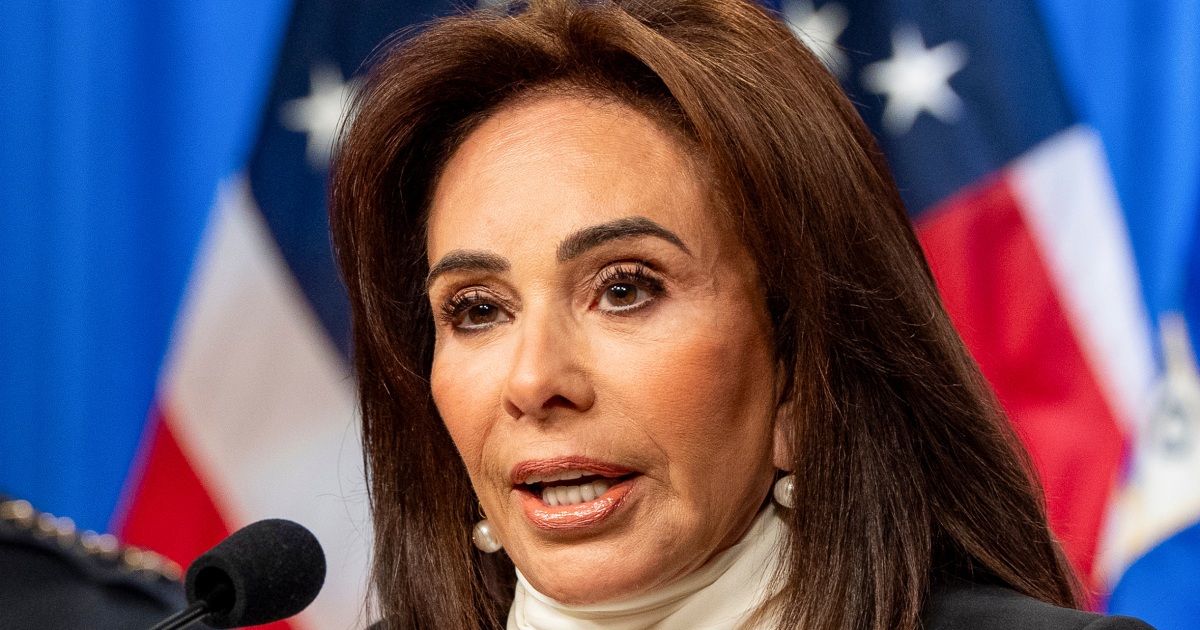
Trump administration fails to indict Democrats involved in 'illegal orders' video
President Donald Trump had accused six Democratic lawmakers of "seditious behavior" after they urged members of the military and intelligence communities to refuse unlawful orders.
2 more years and 11 monthsFAILURE because Trump has turned the DOJ into a weaponized group of DUMBASSES

2 more years and 11 months


