


That’s not a primary source, that’s low IQ Ziobabble. This is the kind of crap that’s only good for grooming.Wrong. This is literally a perfect example of you not understanding what you read. Article 25 requires the nations involved in the resolution to agree to carry it out. ONLY then it becomes binding. It is NOT binding unless they agree and work out specifics. Your own wiki even says that the ICJ asserted an advisory opinion. That's not legally binding.
Chapter VI (Pacific Settlement of Disputes, Articles 33–38): Resolution 242 was introduced and adopted under Chapter VI. Resolutions passed under this chapter authorize the Security Council to recommend procedures, terms, or frameworks to settle conflicts peacefully. They do not create binding legal obligations or enforce compliance.
Chapter VII (Actions with Respect to Threats to the Peace, Articles 39–51): Security Council resolutions are legally binding when adopted under Chapter VII, which addresses breaches of peace and acts of aggression, and provides enforcement mechanisms such as sanctions or military force. Resolution 242 does not invoke Chapter VII.
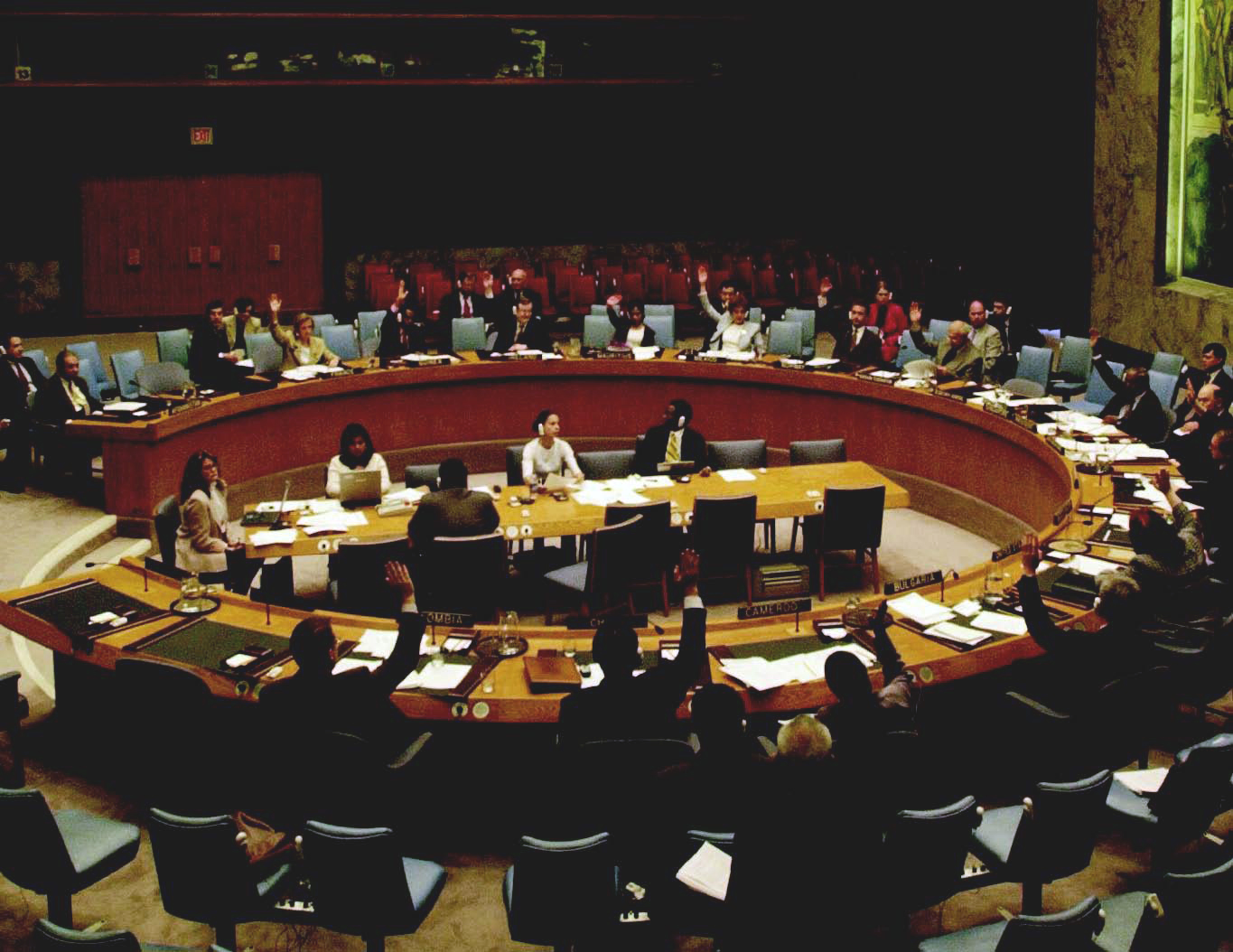
Understanding UN Security Council Resolution 242
Understanding UN Security Council Resolution 242 of November 22, 1967, on the Middle Eastjcfa.org
C’mon…be serious. Get to the primary sources. Don’t waste everybody’s time.


