

My cancer has spread to most of my tongue, and early tomorrow morning I will have major surgery ( the OR is booked for 10 hours). Removal of more cancerous tissue from my tongue, and a graft of a piece of my thigh to the tongue. Plus more lymph nodes removed from my neck. Plus a tracheotomy for breathing and a feeding tube. The feeding tube will be in place for at least 3 months while the tongue graft heals. Maybe I’ll be able to do some limited eating after that, but it’s not guaranteed. All this for a 25 percent chance to extend my time above the grass. I do have to acknowledge how great our health system is, investing all this effort in keeping me alive. Wish me luck.
You are using an out of date browser. It may not display this or other websites correctly.
You should upgrade or use an alternative browser.
You should upgrade or use an alternative browser.


The last day I will ever speak
- Thread starter bemeup
- Start date


Oh man - nothing but positive thoughts as you continue to fight. Wishing you all luck and more so.
It seems you are in a positive mental position about a concering and difficult physical situation.
While there are sure to be some challenges ahead, a positive mental position is the first necessary for the present.
I hope all things go better than the current situation you are in.
While there are sure to be some challenges ahead, a positive mental position is the first necessary for the present.
I hope all things go better than the current situation you are in.
I had a white sore on my tongue which I dismissed as a canker sore for too long. If you ever see such a thing on your tongue or anywhere else in your mouth, get it checked immediately. As to how I got it, who knows. I am aware of the dangers of hpv for those that engage in oral sex, but my pussy eating was minimal, since I didn’t really enjoy it. I did love DFK with all of the providers that I was with, but I don’t know that has anything to do with it.I'm so sorry! How did you get it?
About 10 years ago, I had a white spot right in the middle of my tongue. Finally went to the doctor who sent me to a specialist (with some long title that basically meant ear nose and throat I think). He biopied it, came back negative thankfully. But the needle to freeze my tongue was the worst kind of torture I have ever had and he told me it was going to hurt.
Anyway, best wishes OP, I hope it all goes well for you.
Anyway, best wishes OP, I hope it all goes well for you.


Hang in there, my brother is a 10 year survivor of similar surgery.

I am getting a bit choked up here, because I have an excellent friend, a better person that I will ever be, going through something similar. Out of nowhere.
We as humans, at least most of us, like to help, like, and dare I say it, even love each other.
Just because we are human.
It is called empathy, and I feel it for you now.
Message me if I can do anything for you.
We as humans, at least most of us, like to help, like, and dare I say it, even love each other.
Just because we are human.
It is called empathy, and I feel it for you now.
Message me if I can do anything for you.
from the Mayo Clinic web site:
Mouth cancer is a growth of cells that starts in the mouth. Mouth cancer can happen in any of the parts that make up the mouth. Mouth cancer can occur on the:
Mouth cancer is one of several cancers that are considered to be types of head and neck cancer. Mouth cancer and other head and neck cancers often have similar treatments.
Symptoms
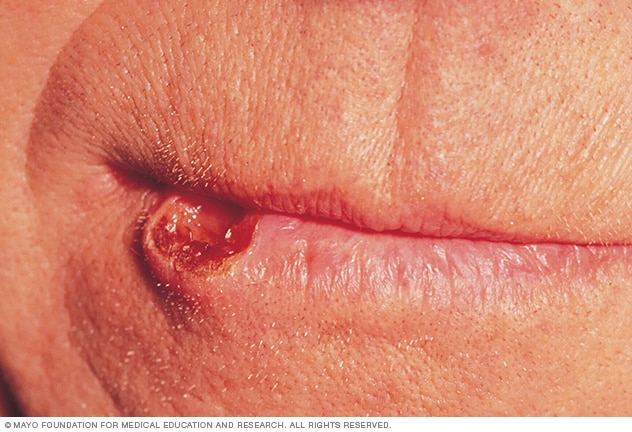 Lip cancerEnlarge image
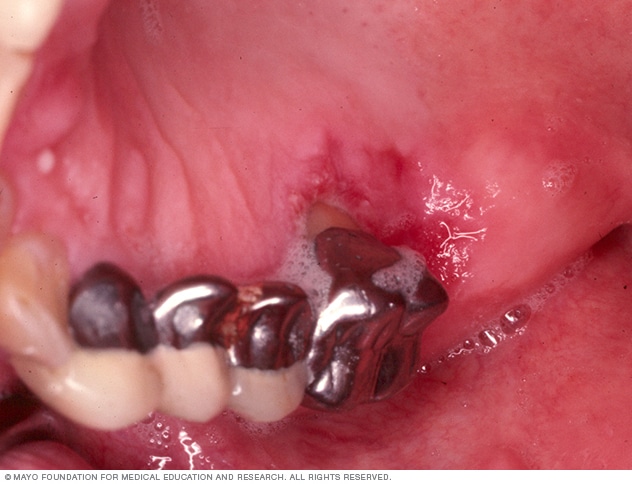 Mouth cancer — red soreEnlarge image
Signs and symptoms of mouth cancer may include:
Make an appointment with a doctor, dentist or other healthcare professional if you have any symptoms that worry you.
Causes
It's not always clear what causes mouth cancer. This cancer starts as a growth of cells in the mouth. It most often starts in cells called squamous cells. These are flat, thin cells that line the lips and the inside of the mouth. Most oral cancers are squamous cell carcinomas.
Mouth cancer happens when cells on the lips or in the mouth develop changes in their DNA. A cell's DNA holds the instructions that tell the cell what to do. In healthy cells, the DNA tells the cells to grow and multiply at a set rate. The DNA also tells the cells to die at a set time.
In cancer cells, the DNA changes give different instructions. The changes tell the cancer cells to grow and multiply quickly. Cancer cells can keep living when healthy cells would die. This causes too many cells.
The cancer cells might form a mass called a tumor. The tumor can grow to invade and destroy healthy body tissue. In time, the cancer cells can break away and spread to other parts of the body. When cancer spreads, it's called metastatic cancer.
Risk factors
Factors that can increase the risk of mouth cancer include:
Using tobacco
All forms of tobacco increase the risk of mouth cancer. This includes cigarettes, cigars, pipes, chewing tobacco and snuff.
Drinking alcohol
Frequent and heavy drinking increases the risk of mouth cancer. Using alcohol and tobacco together increases the risk even more.
Excessive sun exposure to the lips
Ultraviolet light from the sun and tanning lamps increases the risk of lip cancer.
Being exposed to human papillomavirus
Human papillomavirus, also called HPV, is a common virus that's passed through sexual contact. For most people, it causes no problems and goes away on its own. For others, it causes changes in the cells that can lead to many types of cancer, including mouth cancer.
A weakened immune system
If the body's germ-fighting immune system is weakened by medicines or illness, there might be a higher risk of mouth cancer. People with a weakened immune system include those taking medicines to control the immune system, such as after an organ transplant. Certain medical conditions, such as infection with HIV, also can weaken the immune system.
Prevention
There's no proven way to prevent mouth cancer. However, you may reduce your risk of mouth cancer if you:
Don't use tobacco
If you don't use tobacco, don't start. If you currently use tobacco of any kind, talk with your healthcare team about strategies to help you quit.
Limit alcohol intake
If you choose to drink alcohol, do so in moderation. For healthy adults, that means up to one drink a day for women and up to two drinks a day for men.
Avoid excessive sun exposure to your lips
Protect the skin on your lips from the sun by staying in the shade when possible. Wear a broad-brimmed hat that shades your entire face, including your mouth. Apply a sunscreen lip product for sun protection.
Consider the HPV vaccine
Receiving a vaccination to prevent HPV infection may reduce your risk of HPV-related cancers, such as mouth cancer. Ask your healthcare team whether the HPV vaccine is appropriate for you.
Have regular health and dental exams
During your appointments, your dentist, doctor or other member of your healthcare team can check your mouth for signs of cancer.
By Mayo Clinic Staff
Mouth cancer care at Mayo Clinic
Jan. 16, 2025
Mouth cancer is a growth of cells that starts in the mouth. Mouth cancer can happen in any of the parts that make up the mouth. Mouth cancer can occur on the:
- Lips.
- Gums.
- Tongue.
- Inner lining of the cheeks.
- Roof of the mouth.
- Floor of the mouth.
Mouth cancer is one of several cancers that are considered to be types of head and neck cancer. Mouth cancer and other head and neck cancers often have similar treatments.
Symptoms
Signs and symptoms of mouth cancer may include:
- A lip or mouth sore that won't heal.
- A white or reddish patch on the inside of the mouth.
- Loose teeth.
- A growth or lump inside the mouth.
- Mouth pain.
- Ear pain.
- Difficult or painful swallowing.
Make an appointment with a doctor, dentist or other healthcare professional if you have any symptoms that worry you.
Causes
It's not always clear what causes mouth cancer. This cancer starts as a growth of cells in the mouth. It most often starts in cells called squamous cells. These are flat, thin cells that line the lips and the inside of the mouth. Most oral cancers are squamous cell carcinomas.
Mouth cancer happens when cells on the lips or in the mouth develop changes in their DNA. A cell's DNA holds the instructions that tell the cell what to do. In healthy cells, the DNA tells the cells to grow and multiply at a set rate. The DNA also tells the cells to die at a set time.
In cancer cells, the DNA changes give different instructions. The changes tell the cancer cells to grow and multiply quickly. Cancer cells can keep living when healthy cells would die. This causes too many cells.
The cancer cells might form a mass called a tumor. The tumor can grow to invade and destroy healthy body tissue. In time, the cancer cells can break away and spread to other parts of the body. When cancer spreads, it's called metastatic cancer.
Risk factors
Factors that can increase the risk of mouth cancer include:
Using tobacco
All forms of tobacco increase the risk of mouth cancer. This includes cigarettes, cigars, pipes, chewing tobacco and snuff.
Drinking alcohol
Frequent and heavy drinking increases the risk of mouth cancer. Using alcohol and tobacco together increases the risk even more.
Excessive sun exposure to the lips
Ultraviolet light from the sun and tanning lamps increases the risk of lip cancer.
Being exposed to human papillomavirus
Human papillomavirus, also called HPV, is a common virus that's passed through sexual contact. For most people, it causes no problems and goes away on its own. For others, it causes changes in the cells that can lead to many types of cancer, including mouth cancer.
A weakened immune system
If the body's germ-fighting immune system is weakened by medicines or illness, there might be a higher risk of mouth cancer. People with a weakened immune system include those taking medicines to control the immune system, such as after an organ transplant. Certain medical conditions, such as infection with HIV, also can weaken the immune system.
Prevention
There's no proven way to prevent mouth cancer. However, you may reduce your risk of mouth cancer if you:
Don't use tobacco
If you don't use tobacco, don't start. If you currently use tobacco of any kind, talk with your healthcare team about strategies to help you quit.
Limit alcohol intake
If you choose to drink alcohol, do so in moderation. For healthy adults, that means up to one drink a day for women and up to two drinks a day for men.
Avoid excessive sun exposure to your lips
Protect the skin on your lips from the sun by staying in the shade when possible. Wear a broad-brimmed hat that shades your entire face, including your mouth. Apply a sunscreen lip product for sun protection.
Consider the HPV vaccine
Receiving a vaccination to prevent HPV infection may reduce your risk of HPV-related cancers, such as mouth cancer. Ask your healthcare team whether the HPV vaccine is appropriate for you.
Have regular health and dental exams
During your appointments, your dentist, doctor or other member of your healthcare team can check your mouth for signs of cancer.
By Mayo Clinic Staff
Mouth cancer care at Mayo Clinic
Jan. 16, 2025

I hope you pull through and live another two decades. You're in my thoughts.
I just want to outlast Chito Mussolini.I hope you pull through and live another two decades. You're in my thoughts.

Similar threads

- Replies
- 6
- Views
- 1K
- Replies
- 6
- Views
- 2K

- Replies
- 9
- Views
- 3K

- Replies
- 0
- Views
- 441

