


That is worrisome, even the canned ones. As a fisherman I know that even fresh water fish can have parasites but once cooked its said that they die. I buy canned tuna its cheap and a high content of protein. The cans I have say product of Thailand.
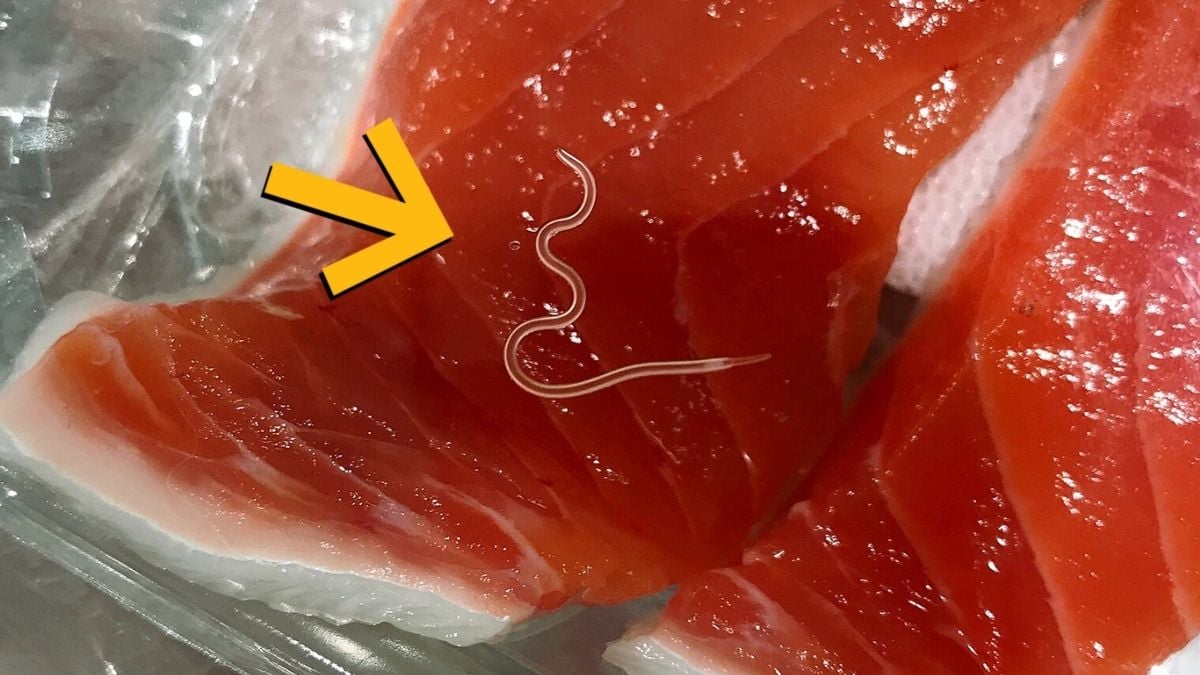
A fatty tuna that is often used for sashimi or canning may be swimming with parasites more often than not.
When scientists at the Federal University of Santa Catarina in southern Brazil analyzed 53 locally caught fish, they found nearly all were contaminated by worms.
According to a brief communication published in Ocean and Coastal Research, the research team counted more than 1,600 little worms in total.
Using powerful microscopy tools as aids, they found that the kidney and heart were the only organs free of parasites in every fish.
Otherwise, the worms and their signs were everywhere.
Of the 53-fish haul, 96 percent were infected by parasites.
The intestines were the most heavily infected organ, followed by the muscle tissue – notably, the bit we eat – and then the stomach.
"These results highlight the importance of sanitary inspection," the study authors conclude, "and emphasize the importance of immediate evisceration to avoid the migration of larvae from the viscera to the musculature."
The study from Brazil is small and covers only a single point in time, but it suggests that tuna in this region commonly host two worm genera: Trypanorhyncha and Anisakis.
Parasites and fish have evolved to coexist in the world's oceans, so it's not altogether surprising to find them in tuna.
What is eyebrow-raising is just how many worms were in each sample and how widely they were spread among the organs.
The tuna species analyzed in the study is known as skipjack, oceanic bonito, or katsuo (Katsuwonus pelamis), depending on where you are in the world, and it has high commercial value.
It is the most abundant tuna species in Brazil and, in 2022, the third most-captured marine species globally. That year, 3.1 million tons of skipjack were caught and sold around the world.
Who knows how many parasites each one of those fish carried.
Tuna sold for consumption is usually carefully examined by seafood processors and sushi chefs, and visible parasites are thankfully removed. But the truth is that some tiny creatures inevitably sneak past our defenses.
Indeed, parasitologists in the United States are studying worms hidden in expired cans of fish to track parasite numbers.
Before anyone goes throwing their tinned fish away, let it be known that accidental human infection with Trypanorhyncha larvae is rare, and not all species of Anisakis are recognized as causative agents of human disease.
When killed during the canning process, most parasitic worms are harmless to humans.
That said, if eaten in raw or undercooked fish, some species can latch onto the human intestinal wall and cause gastrointestinal symptoms such as abdominal pain, vomiting, nausea, or diarrhea.
Even if these parasites don't make someone sick, though, finding a worm in a can of tuna is enough to turn some consumers away.
"Beyond their potential impact on human health," explain the researchers, "parasites can reduce the marketability and value of seafood products due to implications for food safety and quality, decreasing consumer confidence and causing economic losses for the fishing industry."
Parasites are often villified as agents of disease, but Chelsea Wood, a parasitologist at the University of Washington, says their presence can be a good omen, too.
 www.sciencealert.com
A fatty tuna that is often used for sashimi or canning may be swimming with parasites more often than not.
When scientists at the Federal University of Santa Catarina in southern Brazil analyzed 53 locally caught fish, they found nearly all were contaminated by worms.
According to a brief communication published in Ocean and Coastal Research, the research team counted more than 1,600 little worms in total.
Using powerful microscopy tools as aids, they found that the kidney and heart were the only organs free of parasites in every fish.
Otherwise, the worms and their signs were everywhere.
Of the 53-fish haul, 96 percent were infected by parasites.
The intestines were the most heavily infected organ, followed by the muscle tissue – notably, the bit we eat – and then the stomach.
"These results highlight the importance of sanitary inspection," the study authors conclude, "and emphasize the importance of immediate evisceration to avoid the migration of larvae from the viscera to the musculature."
The study from Brazil is small and covers only a single point in time, but it suggests that tuna in this region commonly host two worm genera: Trypanorhyncha and Anisakis.
Parasites and fish have evolved to coexist in the world's oceans, so it's not altogether surprising to find them in tuna.
What is eyebrow-raising is just how many worms were in each sample and how widely they were spread among the organs.
The tuna species analyzed in the study is known as skipjack, oceanic bonito, or katsuo (Katsuwonus pelamis), depending on where you are in the world, and it has high commercial value.
It is the most abundant tuna species in Brazil and, in 2022, the third most-captured marine species globally. That year, 3.1 million tons of skipjack were caught and sold around the world.
Who knows how many parasites each one of those fish carried.
Tuna sold for consumption is usually carefully examined by seafood processors and sushi chefs, and visible parasites are thankfully removed. But the truth is that some tiny creatures inevitably sneak past our defenses.
Indeed, parasitologists in the United States are studying worms hidden in expired cans of fish to track parasite numbers.
Before anyone goes throwing their tinned fish away, let it be known that accidental human infection with Trypanorhyncha larvae is rare, and not all species of Anisakis are recognized as causative agents of human disease.
When killed during the canning process, most parasitic worms are harmless to humans.
That said, if eaten in raw or undercooked fish, some species can latch onto the human intestinal wall and cause gastrointestinal symptoms such as abdominal pain, vomiting, nausea, or diarrhea.
Even if these parasites don't make someone sick, though, finding a worm in a can of tuna is enough to turn some consumers away.
"Beyond their potential impact on human health," explain the researchers, "parasites can reduce the marketability and value of seafood products due to implications for food safety and quality, decreasing consumer confidence and causing economic losses for the fishing industry."
Parasites are often villified as agents of disease, but Chelsea Wood, a parasitologist at the University of Washington, says their presence can be a good omen, too.
Scientists Find Parasites in Almost Every Fish From a Recent Tuna Haul – 96% Were Infected
A fatty tuna that is often used for sashimi or canning may be swimming with parasites more often than not.
www.sciencealert.com


