


Bunch of gouging thieves
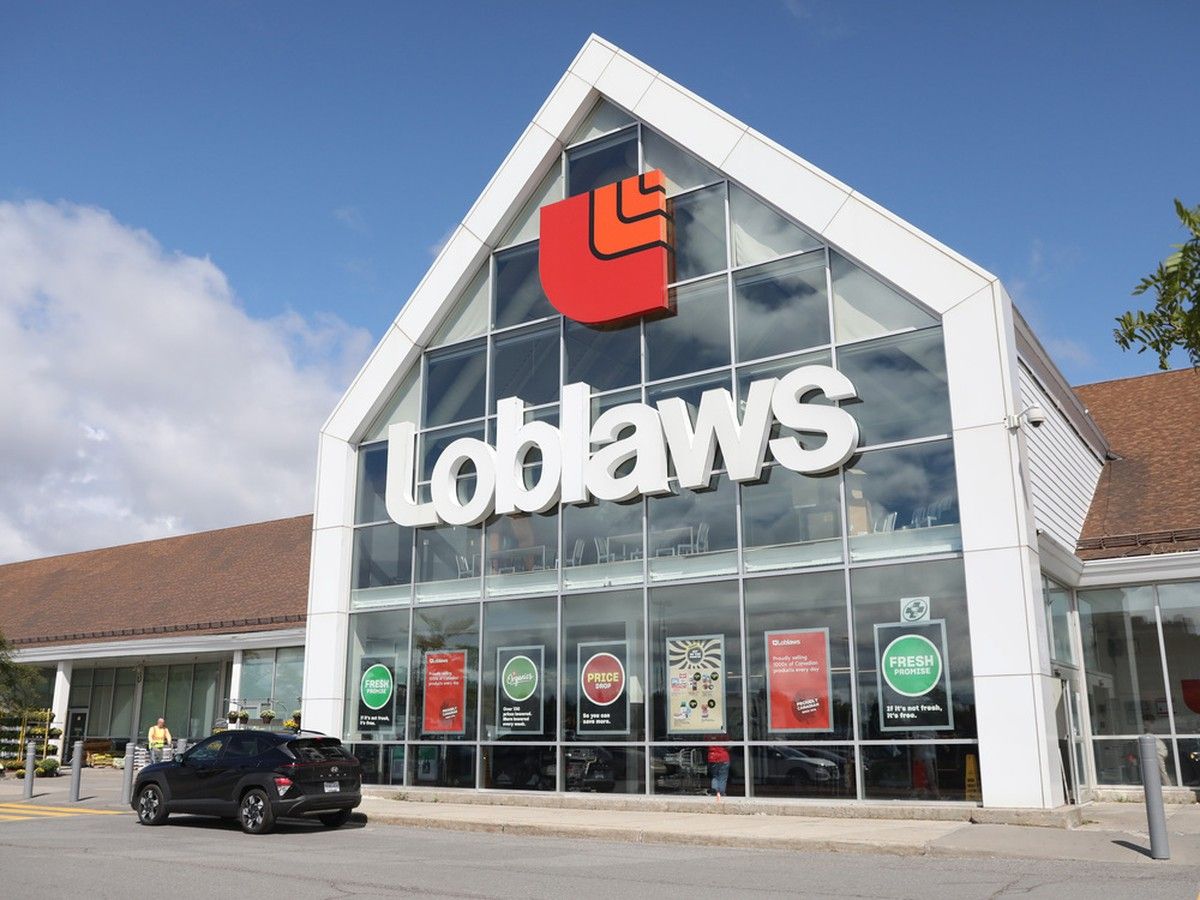
Two Loblaw‑owned grocery stores in Toronto have been fined for mislabelling imported products as Canadian.
The Canadian Food Inspection Agency has issued two administrative penalties of $10,000 each to the stores for misleading country‑of‑origin claims on in‑store signage and displays.
One store, a Real Canadian Superstore, advertised President’s Choice broccoli slaw with maple leaf decals and a “Product of Canada” shelf tag, despite the bags being labelled “Product of USA.”
In the other, a Fortinos store owned by Loblaw, was fined $10,000 for showing an imported food product as Canadian using maple‑leaf imagery and origin claims in the signage.
Loblaw says these incidents “were isolated cases, but we’re reinforcing our processes across our stores to help prevent this from happening again. We’re sorry for the error and any confusion it may have caused.”
In a Thursday afternoon email to National Post, Loblaw’s Public Relation wrote: “We take our labelling responsibilities seriously and are committed to meeting regulatory requirements and ensuring customers can trust the information they see in our stores. With thousands of products on our shelves, many sourced from different regions throughout the year, information can change quickly. While we work hard to keep everything current, there are times when signage may not be updated as quickly as inventory is replenished.”
The CFIA scrutiny of major grocers, such as Loblaw and Sobeys, has recently ramped up because of a surge in “maple‑washing” complaints, according to retail-insider.com. It has prompted the agency to move from “quiet warnings to public monetary penalties” and more aggressive enforcement.
A year after the Buy Canadian movement started sweeping the country, Canadians have been clear they want to support Canadian businesses and buy Canadian products, says the CFIA. As a result, warns the agency: “Consumers deserve origin labels they can trust so they can make informed choices. Accurate origin labelling creates a fair marketplace that benefits both consumers and businesses.”
In a statement posted on March 16, the CFIA notes that it has issued $47,000 in financial penalties since April 1, 2025, to businesses for using inaccurate or misleading country of origin claims. Aside from the two Loblaw-owned grocers fined $10,000 each, the businesses include: Fresh in The City Inc. received a $7,000 penalty; Meatex Farms Ltd. received a $10,000 penalty; Oxford Frozen Foods Inc. received a $10,000 penalty.
“The CFIA takes labelling issues seriously and is directly addressing the growing concern with Canadian food businesses over inaccurate and misleading origin claims. In addition to responding to complaints, we conduct inspections to verify origin claims on labels and advertisements, including in-store signage.”
Until recently, says the Consumers Council of Canada, CFIA guidelines established in 2023 mandated that “all or virtually all major ingredients” needed to be Canadian (along with the processing and labour) in order to qualify as a “Product of Canada”. A 2025 update now defines “Product of Canada” as “a significant amount of the ingredients are Canadian.”
The change from “all or virtually all” to “a significant amount” may seem minor, but it is in the direction the industry requested, says the Council. It’s based on responses gathered from a 2019 consultation, when the CFIA first proposed changes from ‘98 per cent’ threshold to ‘85 per cent’ for Canadian food products.
In early 2025 article, National law firm, Borden Ladner Gervais, alerted retailers to the varying laws and regulations that could apply in labelling products Canadian. BLG echoed the CFIA requirement that the literal meaning and general impression about Canadian product claims should be “truthful and not misleading” so consumers can make informed purchasing decisions.
“Failing to do so may result in potentially significant penalties,” added BLG.
National Post has reached out to the CFIA for comment but has not yet received a response.
Meanwhile, the CFIA recently told Radio-Canada that the grace period for grocers is over and the agency has moved to appropriate enforcement actions where warranted. A former CFIA inspector said there’s no excuse for grocers making misleading claims and added a $10,000 fine is too low for a large company.
 nationalpost.com
Two Loblaw‑owned grocery stores in Toronto have been fined for mislabelling imported products as Canadian.
The Canadian Food Inspection Agency has issued two administrative penalties of $10,000 each to the stores for misleading country‑of‑origin claims on in‑store signage and displays.
One store, a Real Canadian Superstore, advertised President’s Choice broccoli slaw with maple leaf decals and a “Product of Canada” shelf tag, despite the bags being labelled “Product of USA.”
In the other, a Fortinos store owned by Loblaw, was fined $10,000 for showing an imported food product as Canadian using maple‑leaf imagery and origin claims in the signage.
Loblaw says these incidents “were isolated cases, but we’re reinforcing our processes across our stores to help prevent this from happening again. We’re sorry for the error and any confusion it may have caused.”
In a Thursday afternoon email to National Post, Loblaw’s Public Relation wrote: “We take our labelling responsibilities seriously and are committed to meeting regulatory requirements and ensuring customers can trust the information they see in our stores. With thousands of products on our shelves, many sourced from different regions throughout the year, information can change quickly. While we work hard to keep everything current, there are times when signage may not be updated as quickly as inventory is replenished.”
The CFIA scrutiny of major grocers, such as Loblaw and Sobeys, has recently ramped up because of a surge in “maple‑washing” complaints, according to retail-insider.com. It has prompted the agency to move from “quiet warnings to public monetary penalties” and more aggressive enforcement.
A year after the Buy Canadian movement started sweeping the country, Canadians have been clear they want to support Canadian businesses and buy Canadian products, says the CFIA. As a result, warns the agency: “Consumers deserve origin labels they can trust so they can make informed choices. Accurate origin labelling creates a fair marketplace that benefits both consumers and businesses.”
In a statement posted on March 16, the CFIA notes that it has issued $47,000 in financial penalties since April 1, 2025, to businesses for using inaccurate or misleading country of origin claims. Aside from the two Loblaw-owned grocers fined $10,000 each, the businesses include: Fresh in The City Inc. received a $7,000 penalty; Meatex Farms Ltd. received a $10,000 penalty; Oxford Frozen Foods Inc. received a $10,000 penalty.
“The CFIA takes labelling issues seriously and is directly addressing the growing concern with Canadian food businesses over inaccurate and misleading origin claims. In addition to responding to complaints, we conduct inspections to verify origin claims on labels and advertisements, including in-store signage.”
Until recently, says the Consumers Council of Canada, CFIA guidelines established in 2023 mandated that “all or virtually all major ingredients” needed to be Canadian (along with the processing and labour) in order to qualify as a “Product of Canada”. A 2025 update now defines “Product of Canada” as “a significant amount of the ingredients are Canadian.”
The change from “all or virtually all” to “a significant amount” may seem minor, but it is in the direction the industry requested, says the Council. It’s based on responses gathered from a 2019 consultation, when the CFIA first proposed changes from ‘98 per cent’ threshold to ‘85 per cent’ for Canadian food products.
In early 2025 article, National law firm, Borden Ladner Gervais, alerted retailers to the varying laws and regulations that could apply in labelling products Canadian. BLG echoed the CFIA requirement that the literal meaning and general impression about Canadian product claims should be “truthful and not misleading” so consumers can make informed purchasing decisions.
“Failing to do so may result in potentially significant penalties,” added BLG.
National Post has reached out to the CFIA for comment but has not yet received a response.
Meanwhile, the CFIA recently told Radio-Canada that the grace period for grocers is over and the agency has moved to appropriate enforcement actions where warranted. A former CFIA inspector said there’s no excuse for grocers making misleading claims and added a $10,000 fine is too low for a large company.
Two Loblaw stores fined $10K for mislabelling imported products as Canadian
A former CFIA inspector said there’s no excuse for grocers making misleading claims and a $10,000 fine is too low for a large company.
nationalpost.com


