Mar 09, 2026
Speaking at a regular press briefing in Beijing on Monday, Chinese Foreign Ministry spokesperson Guo Jiakun said China had taken note of media reports about the leadership change in Iran. He emphasised that the decision regarding Iran's top leadership was made internally and in accordance with the country's legal framework.
"This is a decision by the Iranian side based on its constitution," he said.
The spokesperson added that Beijing does not interfere in the internal affairs of other countries and believes Iran's sovereignty and territorial integrity should be respected. According to Chinese officials, leadership changes within Iran fall under the jurisdiction of the country's political and religious institutions and should not be subject to outside pressure or intervention, as per China Daily.
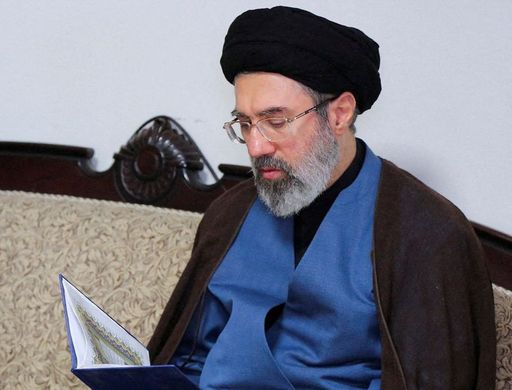
Iran's Assembly of Experts, the clerical body responsible for selecting the supreme leader, announced the appointment of Mojtaba Khamenei on Sunday. The 56-year-old cleric is the son of former supreme leader Ali Khamenei, who was killed during recent military strikes amid an escalating regional conflict involving Iran, the United States and Israel.
The leadership transition marks a significant moment in Iran's political history, as Mojtaba Khamenei becomes the third supreme leader of the Islamic Republic.
China's statement also comes amid growing tensions in the Middle East, with Israel reportedly warning that it could target any successor to the late Iranian leader. Responding to those threats, Guo reiterated Beijing's opposition to actions that could further destabilise the region.
"China opposes interference in other countries' internal affairs under any pretext, and Iran's sovereignty, security, and territorial integrity should be respected," he said.
Beijing has maintained diplomatic ties with Tehran and has often called for dialogue and restraint in regional conflicts. Its latest remarks signal a continuation of China's long-standing policy of non-interference while acknowledging the leadership transition in Iran.
The appointment of Mojtaba Khamenei comes at a time of heightened geopolitical tensions and uncertainty across the Middle East.
China has not offered further comment on the political implications of the decision, limiting its response to reiterating that the matter remains an internal affair for Iran.

 www.tribuneindia.com
Speaking at a regular press briefing in Beijing on Monday, Chinese Foreign Ministry spokesperson Guo Jiakun said China had taken note of media reports about the leadership change in Iran. He emphasised that the decision regarding Iran's top leadership was made internally and in accordance with the country's legal framework.
"This is a decision by the Iranian side based on its constitution," he said.
The spokesperson added that Beijing does not interfere in the internal affairs of other countries and believes Iran's sovereignty and territorial integrity should be respected. According to Chinese officials, leadership changes within Iran fall under the jurisdiction of the country's political and religious institutions and should not be subject to outside pressure or intervention, as per China Daily.
Iran's Assembly of Experts, the clerical body responsible for selecting the supreme leader, announced the appointment of Mojtaba Khamenei on Sunday. The 56-year-old cleric is the son of former supreme leader Ali Khamenei, who was killed during recent military strikes amid an escalating regional conflict involving Iran, the United States and Israel.
The leadership transition marks a significant moment in Iran's political history, as Mojtaba Khamenei becomes the third supreme leader of the Islamic Republic.
China's statement also comes amid growing tensions in the Middle East, with Israel reportedly warning that it could target any successor to the late Iranian leader. Responding to those threats, Guo reiterated Beijing's opposition to actions that could further destabilise the region.
"China opposes interference in other countries' internal affairs under any pretext, and Iran's sovereignty, security, and territorial integrity should be respected," he said.
Beijing has maintained diplomatic ties with Tehran and has often called for dialogue and restraint in regional conflicts. Its latest remarks signal a continuation of China's long-standing policy of non-interference while acknowledging the leadership transition in Iran.
The appointment of Mojtaba Khamenei comes at a time of heightened geopolitical tensions and uncertainty across the Middle East.
China has not offered further comment on the political implications of the decision, limiting its response to reiterating that the matter remains an internal affair for Iran.
China calls Irans appointment of Mojtaba Khamenei an internal matter - The Tribune
Speaking at a regular press briefing in Beijing on Monday, Chinese Foreign Ministry spokesperson Guo Jiakun said China had taken note of media reports about the leadership change in Iran. He emphasised that the decision regarding Irans top leadership was made internally and in accordance with...