°•❤️°•NEW°•°——B—a—C—k——F—r—o—M——V—a—C—a—T—i—O—n——A—n—d——R—e —A— d—Y——t—O——p—L—a—Y——°•❤️•°

Asian Nicole

*AN Elite Courtesan Companion*
Supporting Member
Hello Gentlemen,

I am back from a three-weeks long vacation in Europe.

I am safe and sound, tanned and refreshing!!!

Really looking forward to our sweet rendezvous soon! Xoxo

Your Sweet Asian Nicole 💋

k3ZVI3.jpg


PZc09h.jpg


N7UoVd.jpg


8ECMpg.jpg


H9Al39.jpg


JA15cQ.jpg


qKQcww.jpg


O4p4Yz.jpg
 
Last edited:
Hello Gentlemen,

Guess where?! I am in Lagos, Portugal. 🇵🇹

Lagos is a town in southern Portugal's Algarve region. It’s known for its walled old town, cliffs and Atlantic beaches. Steep wooden steps lead to the sandy cove of Praia do Camilo. The nearby cliffs of Ponta de Piedade offer sweeping headland views and a lighthouse. Igreja de Santo António, an ornate 18th-century church, sits across from the Castelo dos Governadores, a castle with a baroque facade and watchtowers.

800px-Praia_do_Pinh%C3%A3o.JPG


zT2Urr.jpg


800px-Algarve_Bucht_Lagos_%2827637090891%29.jpg


8aSdWq.jpg


qmasyX.jpg


qGoslY.jpg


sU2VFF.jpg
 
Last edited:
Hello Gentlemen,

Lagos is one of the most visited cities in the Algarve and Portugal, due to its variety of tourist-friendly beaches, rock formations, bars, restaurants and hotels, renowned for its vibrant summer nightlife and parties. Yet, Lagos is also a historic centre of the Portuguese Age of Discovery, frequent home of Henry the Navigator, historical shipyard and, at one time, centre of the European slave trade. In 2012, travel website TripAdvisor, classified Lagos as the number one travel destination, on a list of "15 destinations on the rise" worldwide.

800px-Lagos%2C_Algrave%2C_Portugal.jpg


CnMzh8.jpg


W4D0uB.jpg


OVCY5j.jpg


Zdu77R.jpg


IyaKMF.jpg


thZjpM.jpg
 
Last edited:
Hello Gentlemen,

Lagos has a Mediterranean climate with hot, dry summers and mild, wet winters. Like the rest of the Algarve, Lagos is very sunny, averaging over 3100 hours of sunshine a year. Precipitation is concentrated in the winter months, where highs average around 16–17 °C and lows around 8–9 °C, wind and humidity are also more prevalent during this season. Summers are warm to hot, very sunny and generally still, the coastal sea breeze helps to cool down the often excessive heat of this season.

800px-Dona_Ana_beach%2C_Lagos.jpg


EKkiSq.jpg


JWKpLJ.jpg


gxvjun.jpg


J02LxK.jpg


h9pz2w.jpg


UsqZko.jpg


GSu0ME.jpg
 
Last edited:
Hello Gentlemen,

Lagos is one of those places that has it all—stunning beaches, dramatic cliffs, rich history, and an unbeatable laid-back vibe. Whether you’re here for adventure, relaxation, or a bit of both, you’ll find plenty of unforgettable experiences in this charming coastal town.

After spending time exploring every corner of Lagos, you can put together the ultimate list of must-do activities—from kayaking through sea caves and sailing along the coastline to wine tasting, hiking, and spotting wild dolphins. It is guaranteed to make your trip unforgettable! :)


upoXtd.jpg


cEJ6iS.jpg


LzAwhv.jpg


SzzwIx.jpg


vrGvSb.jpg


AFXmJc.jpg


DCZlft.jpg


hhIQJQ.jpg


wr3FNV.jpg
 
Hello Gentlemen,

Lagos is an ancient maritime town with more than 2000 years of history. The name Lagos comes from a Celtic settlement, derived from the Latin Lacobriga, the name of the settlement was established during the pre-Punic civilizations. It became an early settlement of the Carthaginians, who recruited Celtic tribesmen in their war against the Romans. Owing to its already important harbour, it was colonized by the Romans and integrated into the Roman province of Lusitania. Quintus Sertorius, a rebellious Roman general, helped by the Lusitanians of Lacobriga, successfully defeated the Roman army of Caecilius Metellus Pius probably at nearby Monte Molião.

1024px-Vista_aerea_de_Lagos_3_-_Algarve_-_10.03.2023.jpg


1920px-Lagos_2_copy.jpg


N9Xm8z.jpg


FEML7E.jpg


Cmhdl0.jpg


es0mGZ.jpg


ztLMbC.jpg


xZ64Fw.jpg


sXcKJm.jpg


VSBhCW.jpg


k2Ifa2.jpg
​
 
Last edited:
Hello Gentlemen,

With the fall of Rome, the town of Lagos was occupied in the sixth century by the Visigoths from the Kingdom of Toledo and later by the Byzantines. The Moors arrived in the 8th century from North Africa, renaming the settlement Zawaia (meaning lago, or lake). It became part of the much larger coastal region of al-Gharb, which eventually became known as the Algarve. The Moors fortified the town with Lagos Castle and established important trade links to Northern Africa from their bases in the Iberian peninsula. In 1174, the local wālī gave permission for the Christian peoples to construct a church dedicated to São João Baptista, which was built outside the town's walls (becoming the oldest church in the Algarve).

Lagos43_kopie.jpg

A painting from the 16th century showing a caravel being provisioned in the port of Lagos depicting Africans and Europeans

1920px-Vista_Centro_Hist%C3%B3rico_de_Lagos_%28cropped%29.jpg


800px-Praia_do_Porto_de_M%C3%B3s.jpg


800px-Vista_de_Lagos.JPG


800px-Monte_Moliao_-_Compartimento_5_III_08.11.2017.jpg

Excavations on Monte Molião

USeM5Q.jpg

The walls of the old city of Lagos, that extended around the old quarter encircling the central part of Santa Maria and São Sebastião

800px-Lagos_fortress_pic_01.jpg


iCoPAJ.jpg


800px-GilEannes-Lagos.jpg

Gil Eannes statue in Lagos

XUT9AG.jpg


qW0MZ0.jpg


oL69U6.jpg


oqeTTT.jpg


yJ0pYR.jpg


QQSVdO.jpg


MAHIUJ.jpg


800px-Muralha_de_Lagos.jpg
 
Last edited:
Hello Gentlemen,

Even as King Afonso Henriques advanced to the south, the Christian Reconquista never made it into Algarve and Alentejo, and the south remained under Moorish control. King Sancho I, with the support of Crusader forces used Lagos as a stepping stone to attack the fortress of Alvôr. Zawaia was eventually captured by King Afonso III of Portugal in 1241, but was only taken definitively in 1249.

From this period on the King began self-styling himself as the "King of Portugal and the Algarve", stressing the fact that the Algarve (which had for so long been ruled by the Moors as a foreign country) had been annexed into the dominion of the Portuguese. Lagos became an independent jurisdiction under the rule of King Peter I in 1361.

DgNXWj.jpg


Igreja_de_Santo_Ant%C3%B3nio%2C_Lagos%2C_Portugal_2_%28cropped%29.jpg


ur4T8c.jpg


15mDVm.jpg


kiIwAV.jpg


iZM8Xg.jpg


abFKGt.jpg


800px-Igreja_de_Santa_Maria_%28Saint_Mary_Church%29%2C_Lagos%2C_Portugal.jpg


DB8aU5.jpg


46XgR1.jpg


a93Boo.jpg


2JLvWI.jpg
​
 
Last edited:
Hello Gentlemen,

From 1576 to 1755, Lagos was a high-profile capital of the Algarve, until the old Portuguese town was destroyed by the earthquake and tsunami of 1755. Although some walls from the 16th century still remain, as well as the governor's castle, many of the buildings are from the 17th century.


9yO7Jj.jpg


KvUxTF.jpg


HMHYSL.jpg


ULSXwD.jpg


duK1t7.jpg


cw2cGo.jpg


PzHjl3.jpg


KNWpD4.jpg


jYF2Ep.jpg


VI9V7Q.jpg
 
Last edited:
Hello Gentlemen,

Lagos is worth visiting due to its stunning natural beauty, including world-class beaches and dramatic coastline, combined with a rich history, vibrant atmosphere, and delicious local cuisine. 😋

The city is compact and easily walkable, with four key areas - the historic quarter, the marina, Porto de Mós, and Meia Praia.


3YhoJB.jpg


YjjvBj.jpg


zvMkXO.jpg


800px-Marina_de_Lagos%2C_Portugal.jpg


I2BzP0.jpg


AdXc7h.jpg


wKDgTu.jpg


HJ4Nxn.jpg


5reMqA.jpg


NSl9MW.jpg


hvqS1C.jpg


f9mIRV.jpg


pHOYEY.jpg


s0X9TO.jpg
 
Last edited:
Walking around the city, exploring the historical sites,
and enjoying delicious local cuisine 😋


1024px-LagosBarragemDaFonteCoberta3.jpg

Roman dam

800px-Menir_da_Cabe%C3%A7a_do_Rochedo_-_Lagos_-_10-05-2018.jpg

The obelisk-like Menir of Cabeça do Rochedo, representing the Neolithic history of the settlements of Lagos


800px-Lagos_%2840939860814%29.jpg


MEc0p1.jpg


800px-Lagos_%2841611145272%29.jpg


RxCYbL.jpg


APevg7.jpg


6SBseR.jpg


K3kR5Y.jpg


hRZsBJ.jpg


zeVj3m.jpg
 
Hello Gentlemen,

Lisbon, officially the Very Noble and Ever Loyal City of Lisbon, is the capital and most populous municipality of Portugal. Lisbon is mainland Europe's westernmost capital city (second overall after Reykjavík), and the only one along the Atlantic coast, the others (Reykjavík and Dublin) being on islands.

Lisbon is one of the oldest cities in the world and the second-oldest European capital city (after Athens), predating other modern European capitals by centuries.

lisbon-portugal-skyline.jpg


premium_photo-1677344289076-b4e8d7325e94


cityscape-view-old-town-alfama-district-sunny-day-lisbon-city-portugal_506452-9069.jpg


6aU8aI.jpg


DB2MS1.jpg


iaYl2u.jpg


lUyRQO.jpg


krXRh6.jpg


9BMzRk.jpg


5Wh42x.jpg


srhAUw.jpg


BzzdOJ.jpg
​
 
Last edited:
Hello Gentlemen,

Lisbon is one of the oldest cities in the world and the second-oldest European capital city (after Athens), predating other modern European capitals by centuries. Lisbon is known for its historic trams, scenic hilltop views, soulful fado music, and a vibrant mix of old-world charm and modern creativity.

2560px-CastleSaintGeorge.jpg


2560px-Lisboa-lisbon-_panorama.jpg

The 25 de Abril Bridge crosses the Tagus River: At 2,277 meters long, the 25 de Abril Bridge holds the record for the longest suspension bridge in Europe and was the first bridge to be built in Lisbon.


960px-25_de_Abril_Bridge_%2836831608556%29.jpg


i9L6Cp.jpg


JjtfAc.jpg


AQuq5u.jpg


960px-Aerial_view_of_Augusta_Street%2C_Lisbon_%2850644280948%29.jpg


2560px-Plaza_del_Comercio%2C_Lisboa%2C_Portugal%2C_2012-05-12%2C_DD_01-03_PAN.jpg


A3Gc8F.jpg

Praça do Comércio, with the Rua Augusta Arch, in the Lisbon Baixa
The Praça do Comércio is a large, harbour-facing plaza in Portugal's capital, Lisbon.

pTvUb6.jpg


yxNBuJ.jpg


eXKodS.jpg

The Rua Augusta Arch is a stone, memorial arch-like, historical building and visitor attraction in Lisbon, Portugal, on the Praça do Comércio. It was built to commemorate the city's reconstruction after the 1755 earthquake. It has six columns (some 11 m high) and is adorned with statues of various historical figures.

zc0Ric.jpg


GRm3Rw.jpg


AG0ilSzeDxJXvLnxMJ4cF8lK-jhTvOo_Zt8cQ83PGxacW4Gdk3Ma8Th5_dDFr2nVG8dwoGny4iPGi57fgKNvjSXpky4LACdFVRbVfVC4_jo0aHSt4sg3LpqLeUFTwOa9SN6V0T_dfJkYLQ=s680-w680-h510-rw


AG0ilSzzLRPozv4YQ9eHvLBrsFGfI_qGBBkRNgRBZjbGhqSAaqMVl4bOPnPKPxbgF15UyAYyYva-Un3bFt1nTXsoi4Gd7ZHEDGMIaDHzsQLKg-80NGyj7cY5I6xdT01zuWdIBVU-kNbR=s680-w680-h510-rw


Z16n78.jpg


d34PXL.jpg
​
 
Last edited:
Hello Gentlemen,

Lisbon was ruled by a series of Germanic tribes from the 5th century, most notably the Visigoths. Later it was captured by the Moors in the 8th century. In 1147, Afonso Henriques conquered the city and in 1255, it became Portugal's capital, replacing Coimbra. It has since been the political, economic, and cultural centre of the country.

Lisbon is also known for its pastel-painted neighborhoods, historic trams, scenic viewpoints and soulful music echoing through old alleyways.

OgFF43.jpg


UtjPfz.jpg


5Y7kOn.jpg


CZSutv.jpg

Statue of King José I, by Machado de Castro (1775). The king on his horse is symbolically crushing snakes on his path.

GbeCIx.jpg


C2EBtE.jpg


tS9B4n.jpg


PJ35em.jpg


HPuJTR.jpg


pU3f6b.jpg


LVeIvz.jpg


zDAUVd.jpg


vMRc9M.jpg


izRp2M.jpg


EksvBh.jpg
​
 
Last edited:
Hello Gentlemen,

Praça Dom Pedro IV (King Pedro IV Square in English), but it's most commonly known by its older name, Rossio Square, meaning "Rossio" or "The Common". It's a historic, bustling central plaza in Lisbon's Baixa district, famous for its wave-patterned cobblestones, baroque fountains, the Column of Pedro IV, and the stunning Rossio Train Station.

ZYcIgh.jpg


X2gDGb.jpg


zhFiTF.jpg


BYXLq7.jpg


C6WEeD.jpg


f799hU.jpg


GaYuBz.jpg


igWXNT.jpg


7Lfctq.jpg


xmPZSE.jpg


IrSNWU.jpg

Rossio Train Station - Located in the Rossio square, Lisbon.

YXj2qf.jpg


N80b8W.jpg


yncTWa.jpg

​
 
Last edited:
Hello Gentlemen,

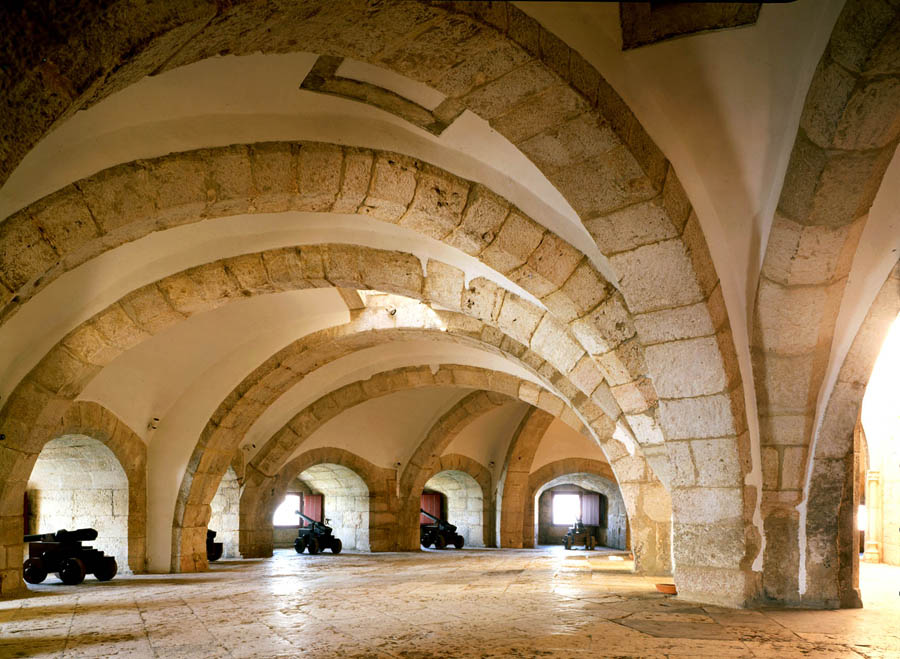
Belém Tower, officially the Tower of Saint Vincent is a 16th-century fortification located in Lisbon that served as a point of embarkation and disembarkation for Portuguese explorers and as a ceremonial gateway to Lisbon. This tower symbolizes Portugal's maritime and colonial power in early modern Europe.

It was built during the height of the Portuguese Renaissance, and is a prominent example of the Portuguese Manueline style, but it also incorporates other architectural styles, such as the minarets, which are inspired by Moorish architecture. The structure was built from lioz limestone, a material local to the Lisbon region, and is composed of a bastion and a 30-metre (100 ft), four-storey tower.

960px-Torre_Bel%C3%A9m_April_2009-4a.jpg


500px-Torre_de_Bel%C3%A9m%2C_Lisboa%2C_Portugal%2C_2012-05-12%2C_DD_18.JPG


500px-Tour_de_Belem_detail_1_082006.JPG


500px-Belem.Torre04.jpg


TorreBelem1-IPPAR.jpg


960px-Belem.Torre09.jpg


XIAvzP.jpg

It was under renovation when I was there. :cool:

DZ2n9U.jpg


OMCVXz.jpg


WPXVUy.jpg
​
 
Hello Gentlemen,

The Monument of the Discoveries is a monument in the civil parish of Santa Maria de Belém, Lisbon. Located along the river where ships departed to explore and trade with India and the Orient, the monument celebrates the Portuguese Age of Discovery (or "Age of Exploration") during the 15th and 16th centuries.

The monument was conceived in 1939 by Portuguese architect José Ângelo Cottinelli Telmo, and sculptor Leopoldo de Almeida, as a temporary beacon during the Portuguese World Exhibition opening in June 1940. The Monument to the Discoveries represented a romanticized idealization of the Portuguese exploration that was typical of the Estado Novo regime of António de Oliveira Salazar.

500px-56_Meter_hoch_ist_das_Denkmal_der_Entdeckungen_in_Lissabon._03.jpg


m4VkRk.jpg


ENyIPr.jpg


s0Ni2g.jpg


8VRZW5.jpg


IPCYri.jpg


mo49di.jpg


j9eFwn.jpg


CvEBE7.jpg


960px-Padr%C3%A3o_Descobrimentos_labels_%28eastern_side%29.jpg

In addition to the main statue of Henry the Navigator, holding a model of a carrack, on either side of the ramps of the monument are a total of 33 figures from the history of the Discoveries, specifically (from left to right):

960px-Padr%C3%A3o_Descobrimentos_labels_%28Western_side%29.jpg


500px-Padr%C3%A3o_Descobrimentos_May_2010-2.jpg


500px-Pedro_Nunes_April_2009-1a.jpg


q9NuOr.jpg
​
 
Hello Gentlemen,

The structure is located on the northern bank of the Tagus River, neighboring the Belém Marina, Algés and Dafundo Nautical Centre, and the Museum of Popular Art, and demarcated by stone pedestals with armillary spheres. Opposite the large square, and across the Avenida da Índia-Avenida de Brasília motorway, is the Empire Square which fronts the Jerónimos Monastery, Belém Cultural Center and the green-spaces of the Jardim Vasco da Gama.

It's a must-see spot in Lisbon and absolutely worth the stop. The Monument of Discoveries is impressive and absolutely worth seeing from the outside and the top — the scale, detail, and waterfront setting are stunning. Below pictures were taken on the top of the monument.

75KA0h.jpg

All the amazing views are on the top the Monument of Discoveries. From that height, you get the best perspective of the massive wind rose and world map tiled into the pavement below, which you just can't appreciate from the ground.

148FFS.jpg


shpUQ6.jpg


Bd4a55.jpg


iDwJOD.jpg


RhKv70.jpg


s7bmYy.jpg


KU2vqD.jpg


6ZgCML.jpg


The compass rose and mappa mundi, a gift from the Union of South Africa created from beige, black and red limestone.

VsK1BM.jpg


960px-Rosa-dos-ventos.JPG
​
 
Last edited:
Hello Gentlemen,

The Monument of the Discoveries in Lisbon features an interior exhibition space and museum that focuses on Portugal's Age of Exploration. Inside, visitors will find multimedia displays, a central auditorium, and an elevator that provides access to a panoramic viewing platform.

The interior is used primarily for rotating temporary exhibitions that highlight Portugal's maritime heritage and the cultural impact of colonialism.


guugh4.jpg


qsPtIT.jpg


MJnQzn.jpg


paLn1c.jpg


hwnvMO.jpg


a1EGeH.jpg
 
Hello Gentlemen,

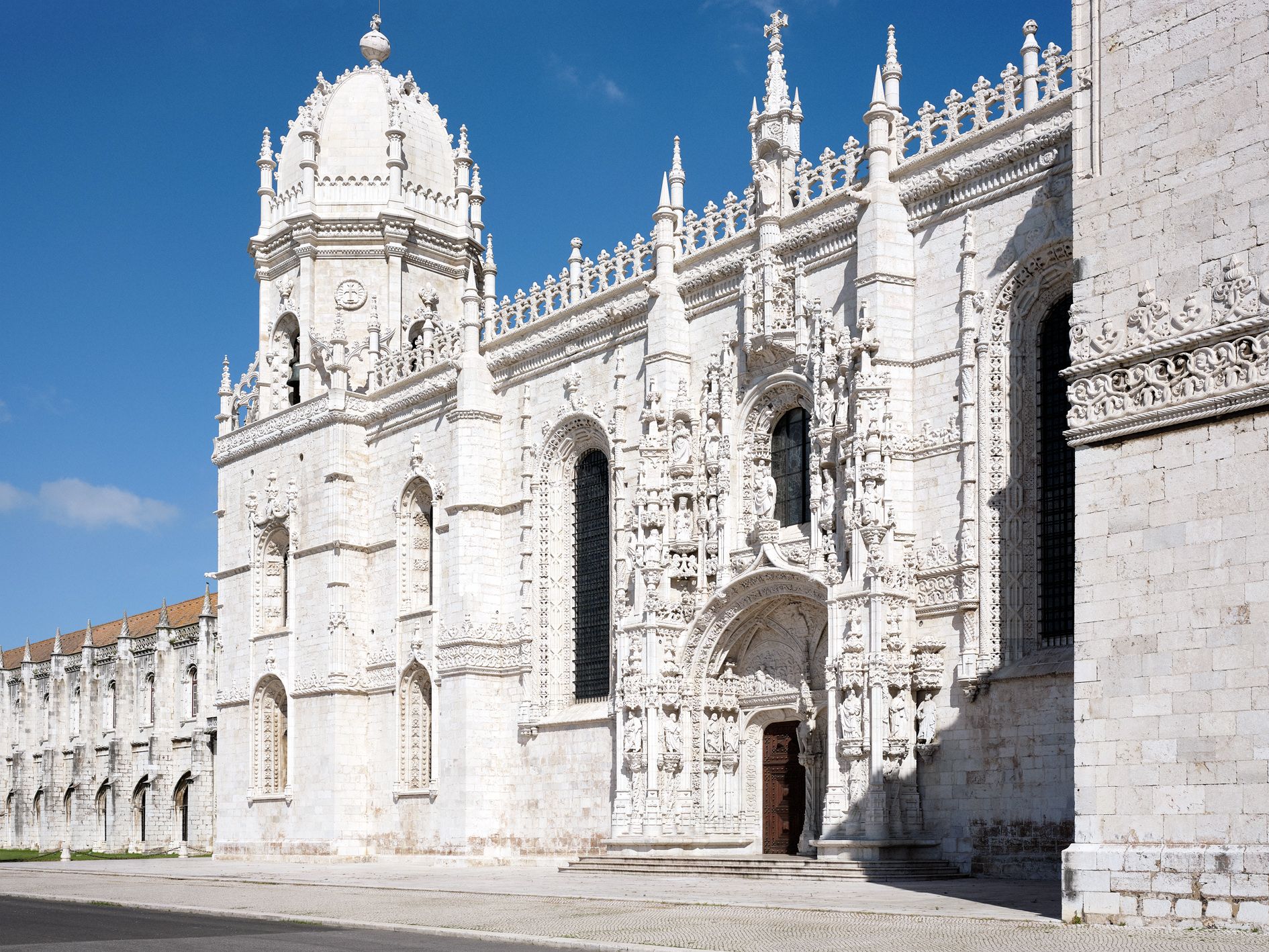
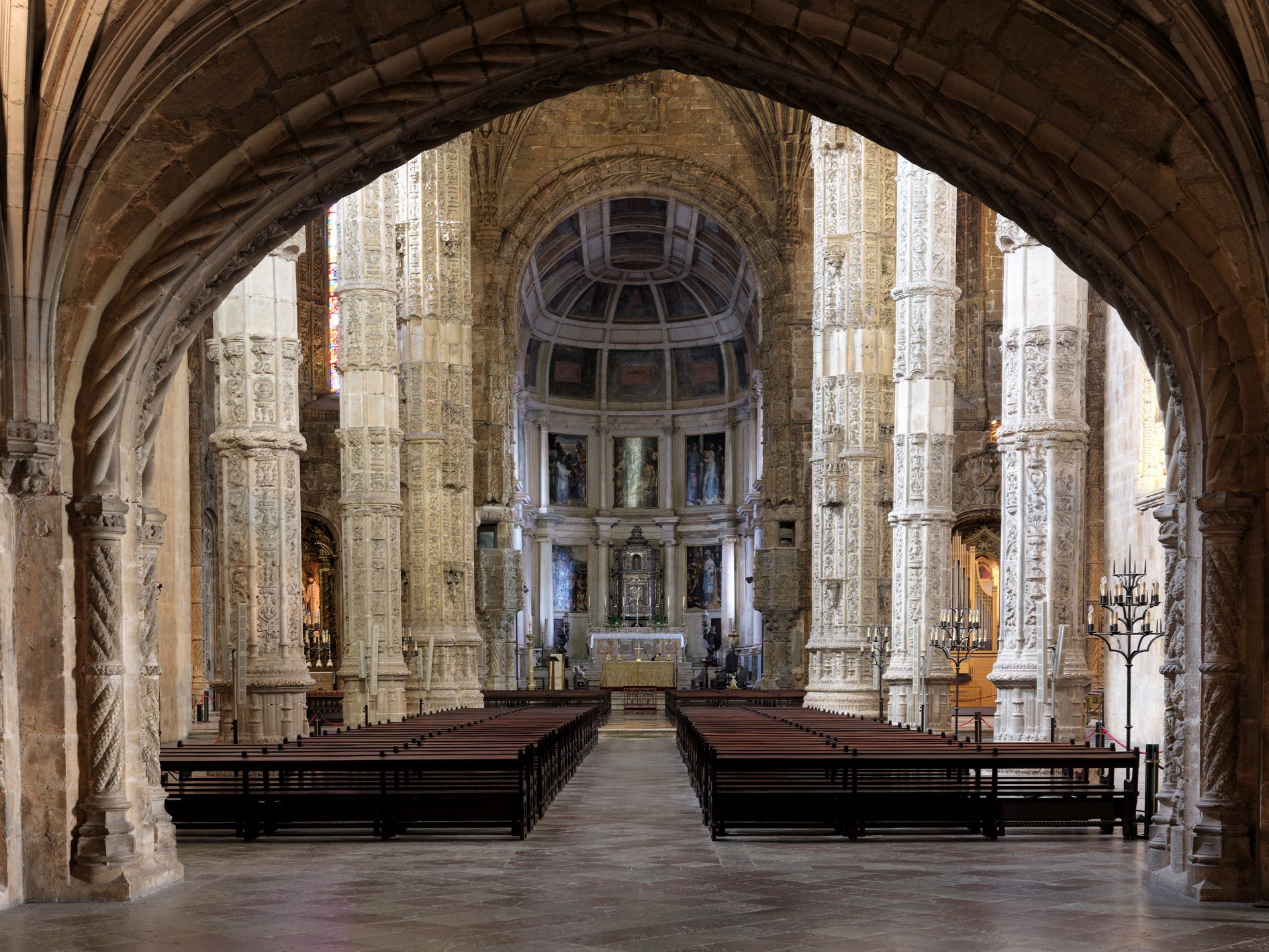
Jerónimos Monastery - A masterpiece of Portuguese architecture, the Royal Monastery of Santa Maria de Belém, commonly known as Jerónimos Monastery as it was intended for the Order of São Jerome, was classified National Monument in 1907 and inscribed on the UNESCO World Heritage List in 1983. The church and the cloister, secularized in the nineteenth century, form the most visited heritage complex in the country.

The building was commissioned by King Manuel I, whose reign lasted between 1495 and 1521, and required large financial resources and very demanding artistic resources, made available by the powerful patron. It is located in one of the most qualified areas of Lisbon, a historical and monumental setting next to the Tagus River, where the ships and caravels departed at the time of the Discoveries.

960px-The_Jer%C3%B3nimos_Monastery_or_Hieronymites_Monastery.png


74ag0s.jpg


XpwTOn.jpg


jLuTCr.jpg


9qYpOA.jpg


rKP0TL.jpg


dTKiiV.jpg


3fg3AB.jpg


ukjZKG.jpg


3cAd76.jpg


c43e8d787e8b4108b957843a014e9de4_845e786646.jpeg


1b8018d1814a49e3b2dfe01879a37aff_7b66bcac63.jpeg


DSjO4W.jpg


CFYfkG.jpg


HNtSpH.jpg


EqnLWu.jpg


WB7Dyw.jpg
 
Last edited: